

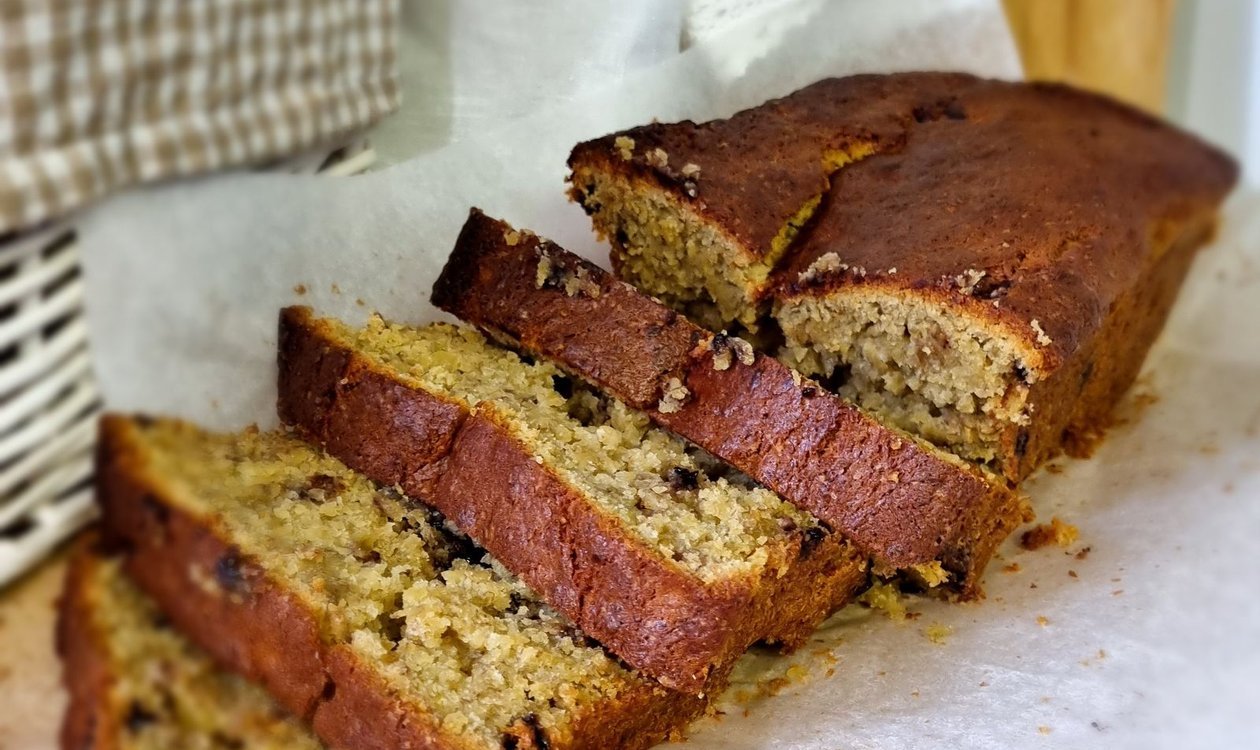
Every baker, no matter how accomplished, started somewhere — and very often that somewhere was a loaf of banana bread. It needs no mixer, no fancy techniques, and no hard-to-find ingredients, and it turns the saddest spotty bananas on your counter into something warm, sweet, and genuinely impressive. If you have never baked before, learning how to make banana bread is the perfect first project: one bowl, one loaf pan, and about fifteen minutes of actual work. Here is the whole thing, step by step.
Why Banana Bread Is the Perfect First Bake
Banana bread is technically a “quick bread,” which means it rises with baking soda instead of yeast — no kneading, no waiting for dough to rise, and no way for it to sulk the way bread dough can. The batter is forgiving: small measuring slips will not ruin it, the mixing method is deliberately rough, and the loaf itself is moist enough to hide minor timing mistakes. It is also a thrifty bake, built around fruit that would otherwise be thrown away. If you enjoy a reliable classic, you will be in good company — the bakers at King Arthur Baking crowned their banana bread a Recipe of the Year, and it has been a home-kitchen staple for generations.
The Banana Rule: Riper Is Always Better
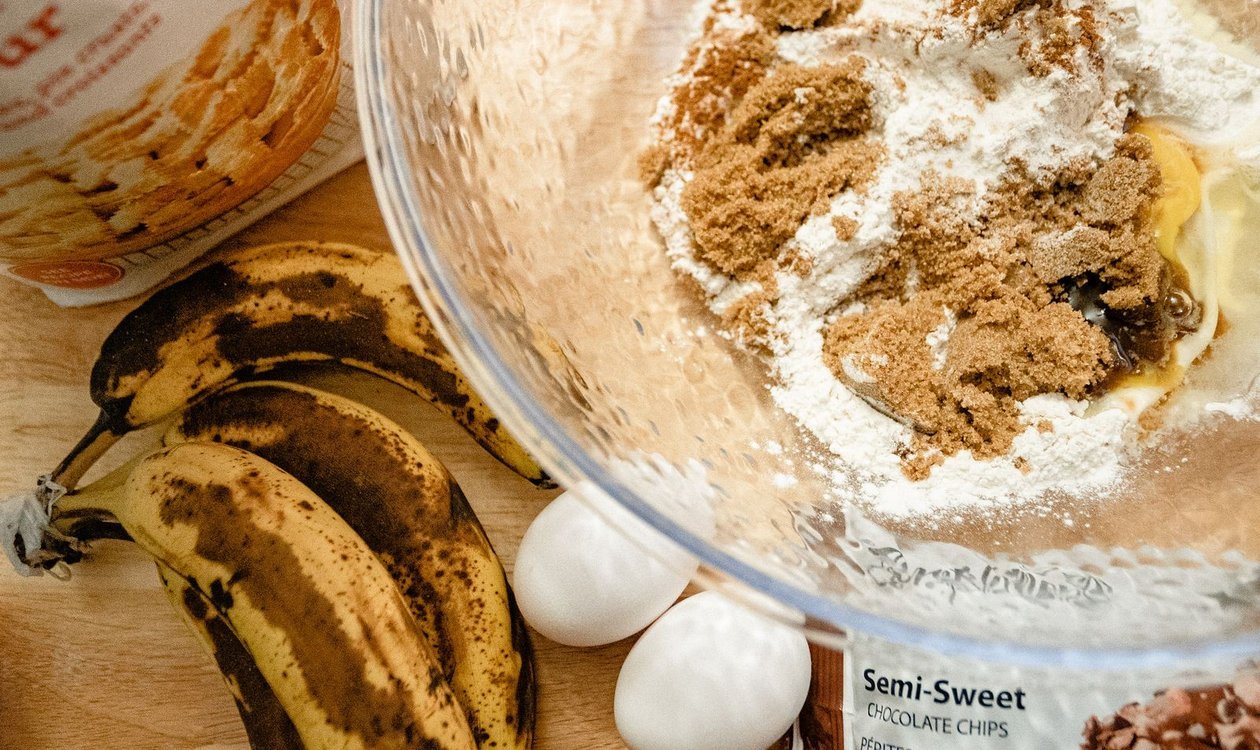
The single biggest factor in your loaf is the bananas themselves. As bananas ripen, their starch turns to sugar, so a banana covered in brown spots — or even mostly black — is sweeter, softer, and far more fragrant than a yellow one. Green or just-yellow bananas make a bland, starchy loaf, so wait until yours look past their best for eating. No ripe bananas and no patience? Ripen them fast: place unpeeled bananas on a lined baking tray and bake at 300°F (150°C) for 15–20 minutes, until the skins turn black and the fruit inside is soft and sweet. Let them cool before mashing.
Everything You Need
- 3 very ripe bananas, mashed (about 1½ cups)
- 2 cups (250 g) all-purpose flour
- 1 teaspoon baking soda
- ½ teaspoon salt
- ½ cup (115 g) unsalted butter, melted (or ½ cup neutral oil)
- ¾ cup (150 g) sugar — brown sugar gives the deepest flavour
- 2 large eggs, at room temperature
- 1 teaspoon vanilla extract
You will also need a 9 × 5 inch loaf pan, greased or lined with baking parchment. That is the entire list — everything else in this article is optional extras.
How to Make Banana Bread, Step by Step
- Heat the oven to 350°F (175°C) and prepare your loaf pan.
- Mash the bananas in a large bowl with a fork or potato masher. A few small lumps are good — they become pockets of banana flavour.
- Add the wet ingredients: stir the melted butter, sugar, eggs, and vanilla into the banana until everything looks evenly combined.
- Add the dry ingredients: sprinkle the flour, baking soda, and salt over the top, then fold gently with a spatula just until no dry flour remains.
- Do not overmix. This is the one rule that matters. Stirring too much develops the flour’s gluten and turns a tender loaf tough and rubbery. Thirty seconds of gentle folding is plenty — a slightly lumpy batter is exactly right.
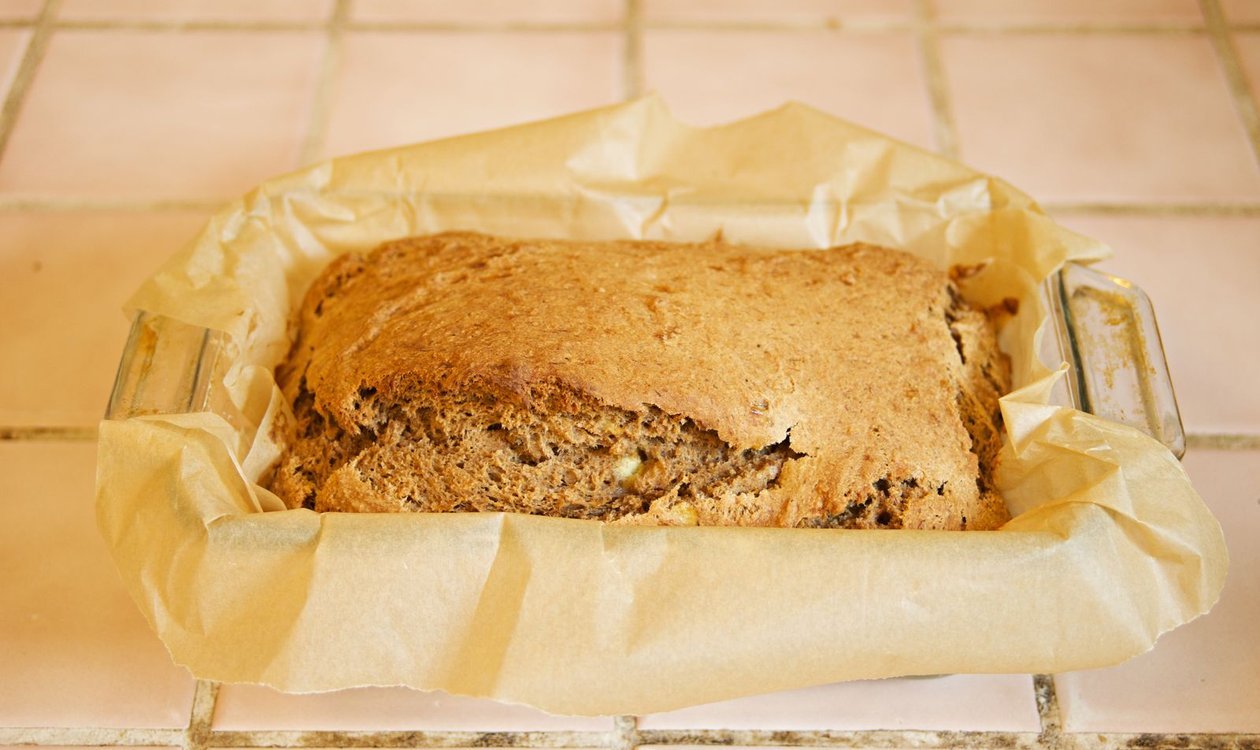
- Bake for 50–60 minutes, until the top is deep golden and a toothpick pushed into the centre comes out clean or with a few moist crumbs.
- Cool in the pan for 10 minutes, then turn out onto a rack. Wait at least 30 minutes before slicing — the loaf is still setting inside, and cutting too early makes it gummy.
How to Make Banana Bread Your Own: Easy Variations
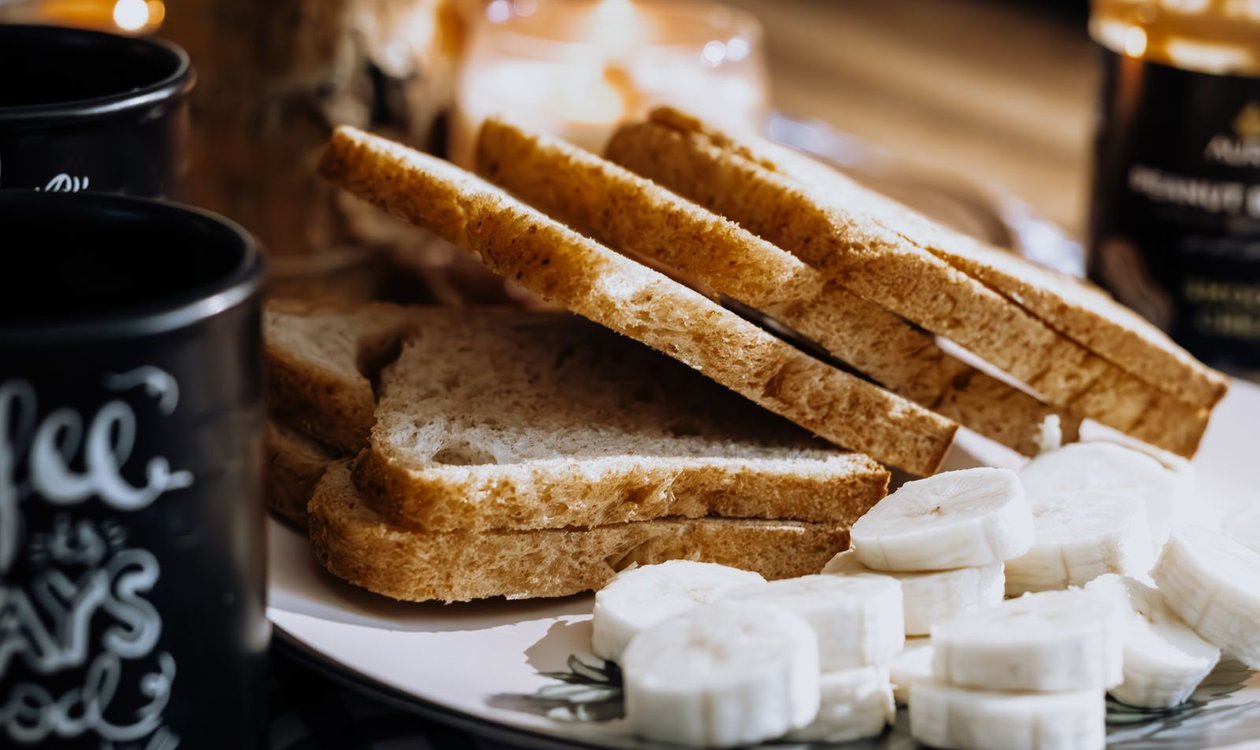
Once the basic loaf works, it becomes a canvas. Fold in ½ cup of chocolate chips for the crowd-pleasing version, or the same amount of chopped walnuts for crunch. A teaspoon of cinnamon — or a pinch of nutmeg — adds warm spice that suits the loaf beautifully. The same batter also makes excellent banana muffins: divide it between a lined 12-cup muffin tin and bake at the same temperature for just 20–25 minutes. However you serve it, a thick slice still warm from the oven next to a glass of homemade cold brew coffee is one of the great simple breakfasts.
Storage: Keeping It Fresh (and Freezing It Well)
Wrapped tightly, banana bread keeps at room temperature for about 2 days and in the fridge for up to a week — bring slices back to room temperature or toast them lightly before eating. For longer storage it freezes beautifully: wrap individual slices, freeze for up to 3 months, and defrost as needed, so a Sunday bake becomes a week of easy breakfasts. That batching habit pairs nicely with the approach in our meal prep for beginners guide — bake once, enjoy all week.
Troubleshooting: Dense, Dry, or Sunken Loaves
- Dense or rubbery: almost always overmixing, or baking soda that has lost its strength. Fold gently, and replace baking soda every six months or so once opened.
- Dry and crumbly: the loaf was overbaked, or the bananas were under-ripe. Start checking five minutes early, and use the spottiest bananas you have.
- Sinking in the middle: the centre was underbaked, or the oven door was opened too early and the temperature crashed. Trust the toothpick test, and peek through the window instead.
Frequently Asked Questions
Can I make banana bread with yellow, just-ripe bananas?
You can, but the loaf will be less sweet and less moist. If your bananas are only yellow, use the oven trick — 15–20 minutes at 300°F (150°C) until the skins blacken — to bring out their sugar before you start.
Why did my banana bread come out dense?
The usual culprit is overmixing the batter once the flour goes in. Stir only until the flour disappears, and make sure your baking soda is fresh, since old baking soda loses its lifting power.
How do I know the loaf is fully baked?
Push a toothpick or thin knife into the very centre. It should come out clean or with a few moist crumbs — wet batter means it needs another five minutes. The top should also feel firm and spring back when pressed gently.
Conclusion
That is really all there is to how to make banana bread: ripe bananas, one bowl, a gentle hand with the mixing, and an hour in the oven. Bake the plain version first, then play with the variations until it is your loaf. Few first bakes reward a beginner so reliably — or make a kitchen smell so good.
