

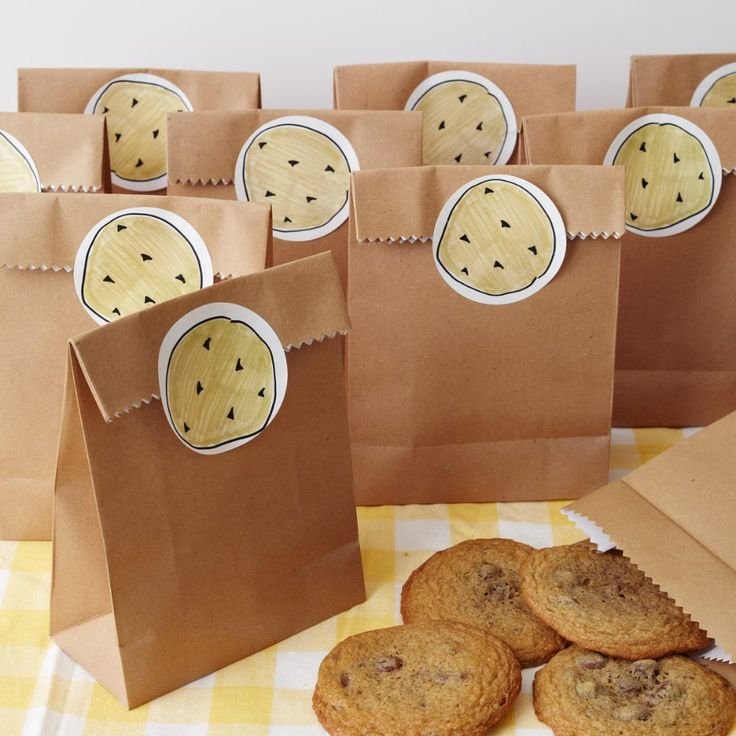
Fresh cookies are always a treat, but good packaging makes them even more appealing. A simple bag can protect cookies from dust, help keep them fresh, and make them easier to carry. For bakeries and small businesses, packaging also offers a chance to show customers what makes their products special. Custom cookie bags are a practical choice for businesses that want their cookies to look neat and professional without making packaging complicated. They come in different sizes, materials, and designs to suit many types of cookies. Some are better for everyday sales, while others work well for gifts, events, and special occasions. Choosing the right option depends on your products, budget, and brand style. With a little planning, you can find packaging that protects your cookies, suits your business, and gives customers a pleasant experience from the moment they see the bag.
Choosing Suitable Materials
The material of a custom cookie bags affects its appearance, durability, and ability to protect baked goods. Paper bags are popular with bakeries because they offer a simple, natural look. They can also be printed with brand colors and designs. Plastic bags provide a clear view of the cookies and can help protect them from outside moisture when properly sealed. Some businesses prefer kraft paper because it gives packaging a warm, handmade feel. For products that need stronger protection, laminated materials may be worth considering. Before making a choice, think about the type of cookies you sell. Soft cookies, crisp biscuits, and decorated treats may need different levels of protection to maintain their quality during storage and delivery.
Creating Attractive Designs
A good package design should catch attention without distracting customers from the product. Clear colors, readable text, and a simple layout often work better than a crowded design. Bakeries can use custom printed cookie bags to display product names, brand colors, or short messages that suit their business. For example, a bakery selling chocolate chip cookies might choose warm brown tones, while a shop specializing in decorated sugar cookies could use softer colors. The design should also match the intended audience. Packaging for children’s parties may look playful, while bags for premium gift boxes may need a more refined style. Before printing a large order, review a sample to check the colors, text size, and overall appearance.
Building Brand Recognition
Packaging can help customers remember a bakery long after they have finished eating its cookies. A consistent design makes products easier to recognize in stores, at markets, and in gift displays. Many small businesses choose personalized cookie bags to add a distinctive touch to their packaging. A business name, short greeting, or recognizable color scheme can make an ordinary bag feel more personal. This approach also works well for birthdays, weddings, and seasonal celebrations. However, the design should remain easy to read. Too many decorative elements can make the packaging look cluttered. Keep the main information visible and choose a layout that reflects the quality of the cookies inside. Over time, a consistent appearance can help build customer familiarity and trust.
Selecting Practical Sizes
The size of a cookie bag should match the product rather than simply follow the latest packaging trend. Small bags work well for single cookies, samples, and party favors. Medium bags can hold a few biscuits, while larger options may suit family portions or assorted treats. If you sell cookies in different sizes, measure them before choosing your packaging. Leave enough room to place the cookies inside without crushing their edges or damaging decorations. A bag that is too large may allow products to move around, while one that is too small can make packing difficult. Businesses that offer several product types should consider keeping a small range of bag sizes. This helps maintain a neat presentation and reduces unnecessary packaging waste.
Adding Business Logos
A logo gives packaging a recognizable identity and helps customers connect a product with the business that made it. It does not need to be complicated or expensive to print. A clear business name with a simple symbol can be enough to create a consistent look. Using custom cookie bags with logo designs also helps bakeries present their products professionally at food fairs, retail counters, and community events. The logo should be placed where customers can see it easily, without covering important product information or making the design too busy. Choose colors that remain readable against the bag material. It is also helpful to check the logo at its actual printed size because fine details may become difficult to see on smaller bags.
Managing Order Quantities
Packaging orders should fit the needs of the business rather than create extra storage problems. A small bakery may prefer a limited order while testing a new design, whereas an established supplier may need larger quantities for regular production. Comparing wax paper Canada options can help businesses understand how pricing changes with order size. However, the lowest price per bag is not always the best deal. Storage space, printing charges, shipping costs, and the risk of unused stock all affect the final cost. Ask suppliers about minimum order quantities and production times before placing an order. If demand changes throughout the year, estimate sales carefully and order enough packaging to meet expected needs without tying up too much money in inventory.
Showing Products Clearly
Customers often want to see what they are buying, especially when cookies have colorful toppings, chocolate pieces, or decorative icing. Transparent packaging can help display these details and make products more appealing. For bakeries that want visibility without losing a tidy presentation, custom clear Cookie bags may be a suitable option. These bags allow the cookies to remain the main focus while printed labels or simple graphics provide branding. Before choosing clear material, consider how the cookies will be stored and displayed. Exposure to light, heat, and moisture can affect product quality, depending on the ingredients and packaging. Make sure the material is suitable for food contact and that the closure provides the protection your products require during handling and transport.
Improving Everyday Packaging
Packaging should work well during the entire sales process, from filling bags to handing orders to customers. Easy-to-seal openings can save time when a bakery prepares many orders each day. Strong seams and suitable materials can also reduce the chance of bags splitting during transport. Businesses can explore custom cookie packaging bags that match their products, storage conditions, and preferred presentation. Sustainability may also influence the choice. Recyclable paper or other lower-impact options can be useful, but their suitability depends on local recycling facilities and any coatings or linings used. Ask suppliers for accurate material details instead of relying on general environmental claims. Testing a few samples before committing to a large order helps reveal practical problems and makes it easier to choose packaging that supports daily operations.
Conclusion
Good cookie packaging does more than hold baked goods. It protects the product, supports convenient handling, and gives customers a clear impression of the business. The best choice depends on cookie size, material, printing needs, order quantity, and the way products are sold. A small bakery may value simple paper bags, while a gift business may prefer transparent packaging or a more decorative design. Comparing samples and checking supplier details can help prevent costly mistakes.Custom cookie bags can also make a brand easier to recognize without requiring an elaborate design. Start with your everyday packaging needs, choose a suitable material, and keep the artwork clear. With the right balance of appearance, protection, and cost, your packaging can support both your cookies and the business behind them.
