

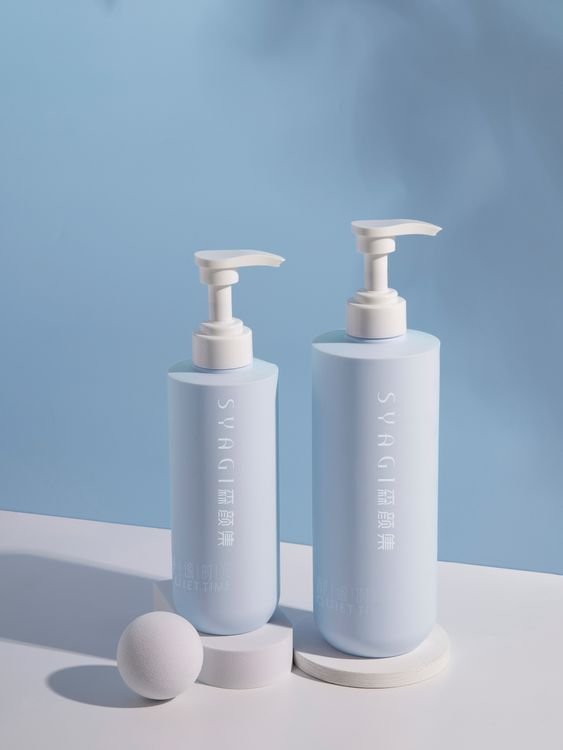
If redness, dark spots, and breakouts are all on your skin’s list of complaints, azelaic acid serum might be the multitasker your routine is missing. This gentle yet powerful ingredient has quietly become one of skincare’s fastest-growing trends — and unlike many hyped actives, it works for almost every skin type, including sensitive skin.
In this guide, you’ll learn what azelaic acid is, its science-backed benefits, exactly how to use it in your routine, and which ingredients pair well with it (and which to keep separate).
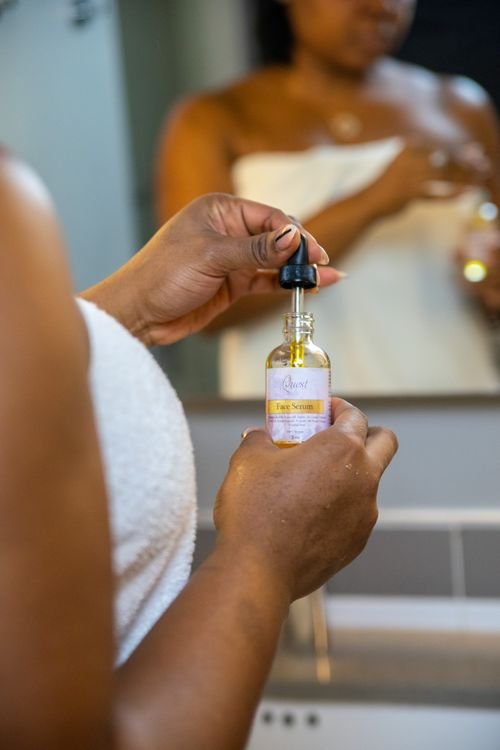
What Is Azelaic Acid?
Azelaic acid is a naturally occurring dicarboxylic acid found in grains like barley, wheat, and rye — it’s also produced by yeast that lives naturally on human skin. In dermatology, it’s prized as a multi-tasking ingredient: it calms inflammation, fights acne-causing bacteria, and fades excess pigmentation, all while being remarkably gentle.
You’ll find it in over-the-counter products at around 10% concentration, while prescription formulas go up to 15–20%. Higher isn’t automatically better — most people see excellent results with 10% and far less irritation.
Azelaic Acid Serum Benefits
1. Fades Hyperpigmentation and Dark Spots
Azelaic acid inhibits tyrosinase, the enzyme responsible for melanin production. That makes it effective against post-acne marks, sun spots, and melasma — and it selectively targets areas of excess pigment rather than lightening your overall skin tone.
2. Calms Redness and Rosacea
Its anti-inflammatory properties make it one of the few brightening ingredients that actually soothes redness-prone and rosacea-prone skin instead of aggravating it. Many dermatologists recommend it as a first-line option for persistent facial redness.
3. Fights Acne and Unclogs Pores
As a mild keratolytic, azelaic acid keeps dead skin cells from building up and blocking pores, while its antibacterial action targets the bacteria behind breakouts. It’s a gentler alternative to benzoyl peroxide for people who find traditional acne treatments too harsh.
4. Improves Skin Texture — Gently
It smooths rough texture and refines the look of pores through gentle exfoliation, without the peeling or stinging associated with stronger acids. Sensitive skin types that can’t tolerate glycolic acid often do beautifully with azelaic acid.
How to Use Azelaic Acid Serum: Step by Step
Getting the most from azelaic acid is all about placement and patience. Follow these steps:
- Cleanse and dry completely. Wash with a gentle cleanser and let your skin dry fully — applying actives to damp skin can increase tingling.
- Apply a thin layer. Smooth a pea-sized amount over your face, focusing on areas with redness, dark spots, or breakouts. A little goes a long way.
- Let it absorb. Wait about 60 seconds before the next step.
- Moisturize. Follow with a simple, soothing moisturizer to support your skin barrier.
- Wear sunscreen in the morning. This step is non-negotiable — azelaic acid can increase sun sensitivity, and UV exposure will undo your progress on dark spots.
Frequency: Start 2–3 times per week and build up to once or twice daily as your skin tolerates it. A slight tingling sensation at first is normal; burning is not — if it burns, scale back. Most people see visible improvement in 4–6 weeks of consistent use.
Building a consistent morning ritual matters as much as the products themselves — see our guide on how to make cold brew coffee for a smoother start to your day while your serum gets to work.
What to Pair It With — and What to Avoid
Azelaic acid plays well with hydrating, barrier-supporting ingredients:
- Niacinamide — a dream team for redness and uneven tone; many formulas combine both.
- Hyaluronic acid — adds hydration without clogging pores.
- Ceramides — reinforce the skin barrier while azelaic acid does its work.
Be more cautious with strong exfoliants and retinoids. Avoid layering azelaic acid with high-strength AHAs, BHAs, or vitamin C in the same routine at first — you can alternate them on different nights once your skin is comfortable. If you’re refreshing more than your skincare, our capsule wardrobe essentials guide shows how a simplified routine (for skin and closet alike) reduces daily stress.
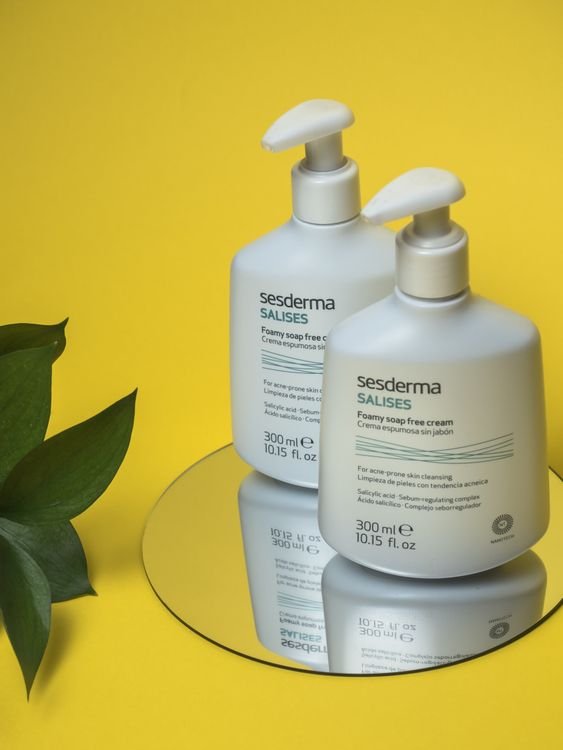
Who Should Use Azelaic Acid Serum?
- Oily or acne-prone skin — calms breakouts and regulates the look of oiliness.
- Sensitive or rosacea-prone skin — one of the gentlest brightening options available.
- Hyperpigmentation concerns — fades post-acne marks, sun spots, and uneven tone.
- Combination skin — balances without over-drying any zone.
If you’re pregnant or nursing, azelaic acid is generally considered one of the safer actives — but always check with your doctor first, as with any skincare ingredient.
Azelaic Acid FAQs
Can I use azelaic acid serum every day?
Yes — once your skin adjusts, daily (even twice-daily) use is fine. Build up gradually from a few times per week.
Can I use azelaic acid with retinol?
It’s best to use them at different times (azelaic acid in the morning, retinol at night) rather than layering, at least until you know your skin tolerates both.
How long does it take to work?
Expect 4–6 weeks of consistent use for visible fading of dark spots and calmer redness. Patience beats concentration here.

Azelaic Acid vs. Other Popular Actives
How does azelaic acid compare to the other ingredients in your cabinet? Unlike vitamin C, which primarily brightens but can irritate sensitive skin, azelaic acid both brightens and calms. Compared to retinoids, it’s far gentler and doesn’t come with the same peeling or sun-sensitivity warnings — though retinoids remain stronger for deep wrinkles. And against benzoyl peroxide for acne, azelaic acid wins on gentleness while adding pigmentation-fading benefits benzoyl peroxide lacks. For many people, it’s the best all-rounder of the bunch.
Conclusion
Azelaic acid serum earns its hype the honest way: it tackles redness, dark spots, and breakouts in one gentle step, suits nearly every skin type, and asks only for consistency and sunscreen in return. Start low, go slow, and give it six weeks — your skin will thank you.

1 Comment
Pingback: Simple Skincare Routine for Beginners: Morning and Night - Nerd Bot