


Walk into any beauty store and you will find shelves of serums, toners, essences, and masks all promising to be the missing step. No wonder most people give up before they start. The truth is far less dramatic: a simple skincare routine for beginners needs just three products — a gentle cleanser, a moisturizer, and a sunscreen. That is the whole foundation. This guide walks you through what each one does, the exact morning and night order, and how to build the habit without overwhelming your skin or your wallet.
First, Get to Know Your Skin Type
Your skin type decides which textures will feel comfortable, so spend a moment identifying yours. Wash your face with a gentle cleanser, pat it dry, and wait about an hour without applying anything. Then look and feel:
- Oily: skin looks shiny all over and feels slick to the touch.
- Dry: skin feels tight or rough, and may look dull or flaky.
- Combination: the forehead, nose, and chin (the T-zone) are oily, while the cheeks feel normal or dry.
- Normal: skin feels comfortable — neither shiny nor tight.
- Sensitive: skin stings, burns, or turns red easily with new products or weather changes. Sensitivity can come along with any of the types above.
You do not need a perfect diagnosis. A rough idea is enough to choose between a light gel moisturizer (usually nicer for oily skin) and a richer cream (usually nicer for dry skin).
The Only 3 Products a Simple Skincare Routine for Beginners Needs
1. A gentle cleanser. Its only job is to remove the day’s sweat, sunscreen, makeup, and surface grime without leaving your face feeling tight or “squeaky.” If your skin feels stripped after washing, the cleanser is too harsh. Dermatologists at the American Academy of Dermatology suggest using lukewarm water and your fingertips, and resisting the urge to scrub — their face washing guide explains the gentle technique in detail.
2. A moisturizer. Moisturizer helps your skin hold onto water so it stays comfortable and supple. Every skin type needs one — even oily skin, which often produces more oil when it feels dried out. Apply it while your skin is still slightly damp to lock in that water.

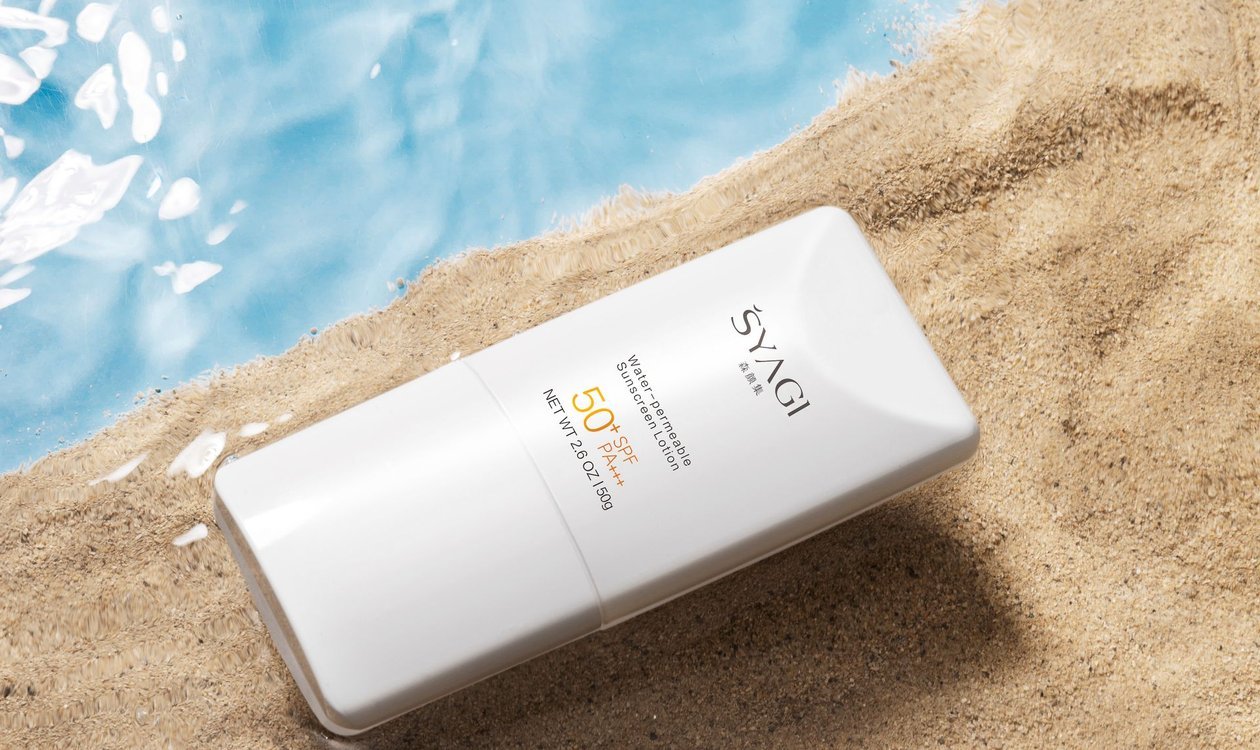
3. A sunscreen (SPF). This is the morning non-negotiable. Look for “broad spectrum” and SPF 30 or higher on the label, and use it every day, even when it is cloudy and even if you spend most of the day indoors near windows. Sunscreen is also what protects the effort you put into every other step.
Your Simple Skincare Routine for Beginners: The Morning Steps
Mornings are about a light refresh and protection for the day ahead. The whole thing takes about three minutes:
- Rinse or cleanse gently. Many people — especially those with dry or sensitive skin — do fine rinsing with lukewarm water alone in the morning. If your skin feels oily when you wake up, use your gentle cleanser.
- Moisturize. Smooth moisturizer over your face and neck while the skin is still a little damp.
- Apply sunscreen. Use a generous amount for your face and neck as the last step, and give it a few minutes to settle before makeup. Reapply during the day if you are outdoors for long stretches.
The Night Steps: Wash the Day Away
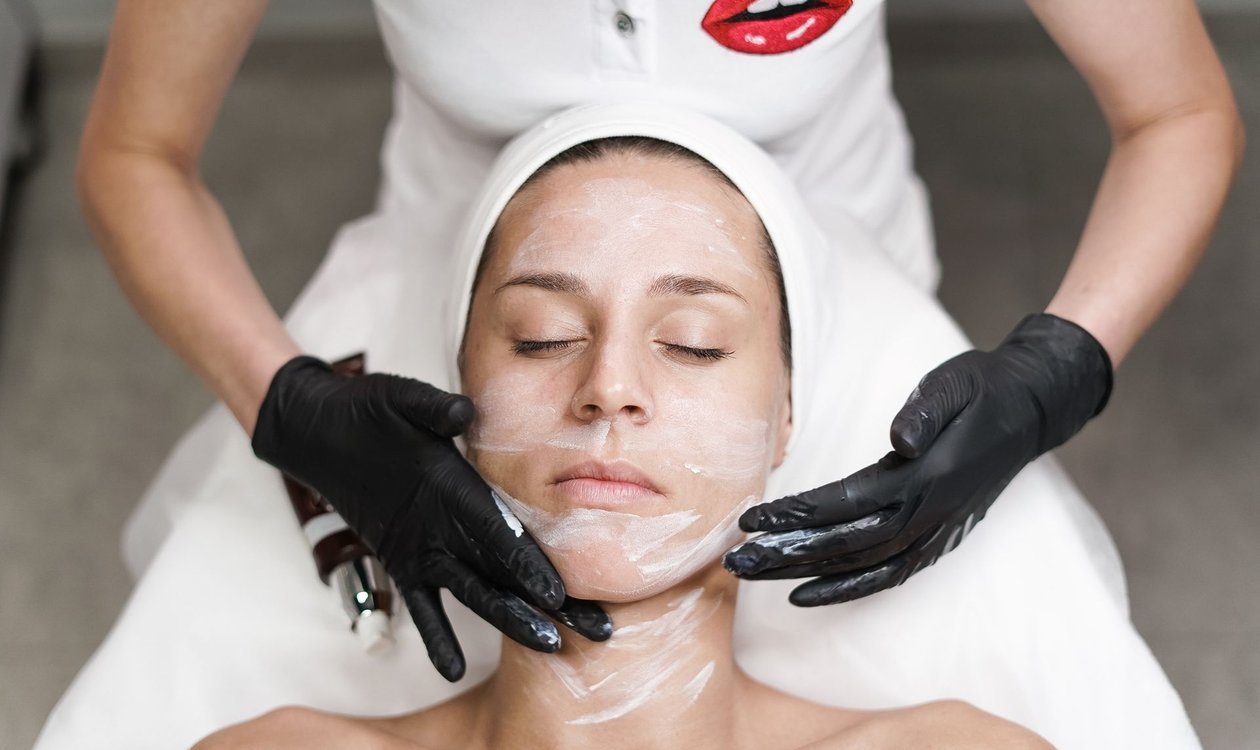
Night is when the real cleansing happens, because your skin has collected sunscreen, makeup, sweat, and city dust:
- Cleanse. If you wear makeup or water-resistant sunscreen, remove it first with a makeup remover or an oil/balm cleanser, then follow with your gentle cleanser. On makeup-free days, one gentle cleanse is enough. Aim for about 60 seconds of soft fingertip massage, then rinse with lukewarm water — never hot.
- Moisturize. Pat your skin mostly dry, then apply moisturizer. Night is a fine time to use a slightly richer cream than your daytime one, especially in winter or dry climates.
That is it. Two steps at night, three in the morning. Master this rhythm for a few weeks before even thinking about adding anything.
Adding One Extra at a Time
Once the basic routine feels effortless — give it at least a month — you can add one extra product aimed at one goal, such as a serum for a more even-looking tone or extra hydration. Introduce it slowly, a few nights a week at first, and change nothing else, so you can tell what it does for your skin. If you are curious about a widely used, beginner-friendly ingredient, our guide to azelaic acid serum explains where it fits in a routine like this one. The rule never changes: one new thing at a time.
Patch Test Every New Product
Before any new product touches your whole face, test it. Apply a small amount to a discreet spot — behind the ear or along the jawline — once a day for several days. If there is no stinging, itching, or redness, it is probably fine to use normally. This five-minute habit saves beginners from the classic mistake of reacting to a product and not knowing which of three new purchases caused it.
Be Patient: The 6–8 Week Rule
Skin changes slowly. It takes weeks of consistent care before you can fairly judge whether a routine is working, so commit to 6–8 weeks before swapping products in frustration. Think of skincare like any other small daily habit: the results come from boring repetition, not intensity. Building it into your day the way you would any new routine — the way our guide on how to start journaling suggests anchoring a habit to your morning coffee — makes it far more likely to stick.
Beginner Mistakes That Quietly Undo Your Progress
- Over-exfoliating. Scrubs and exfoliating acids every day leave skin stinging and sensitive. Beginners honestly do not need exfoliation in the first months at all.
- Starting five products at once. If your skin reacts, you will not know why — and you will have wasted money finding out.
- Skipping sunscreen. It is the step that protects all the others. A perfect night routine cannot cancel out unprotected days.
- Washing with hot water and harsh scrubbing. Lukewarm water and fingertips clean just as well, without the tight, irritated feeling afterwards.
Skincare Does Not Have to Be Expensive
Price and quality are only loosely related in skincare. Affordable pharmacy brands make excellent cleansers, moisturizers, and sunscreens, and a basic three-product routine can cost less than a single trendy serum. Spend on comfortable textures you will actually use daily, ignore miracle claims on packaging, and replace products when they run out — not when a new one trends.
Frequently Asked Questions
How long before I see a difference?
Skin usually feels more comfortable within the first week or two, but visible changes in texture and tone take longer. Give any new routine 6–8 weeks of consistent use before judging it — changing products every few days resets the clock each time.
Can I skip moisturizer if my skin is oily?
It is better not to. Oily skin still loses water, and skipping moisturizer can leave it feeling tight underneath the shine. Choose a lightweight, oil-free gel or lotion instead of a heavy cream, and apply a thin layer.
Do I really need sunscreen on cloudy days or indoors?
Yes, as a daily habit. Clouds filter only part of the sun’s rays, and ordinary window glass lets a good share of them through too. Making SPF automatic every morning — like brushing your teeth — removes the daily decision entirely.
Conclusion
A simple skincare routine for beginners is not a ten-step ceremony. It is three products, used in the right order, morning and night: cleanse gently, moisturize, and never skip the SPF. Keep it that small for 6–8 weeks, patch test anything you add later, and your skin — and your bathroom shelf — will both stay calm.
