

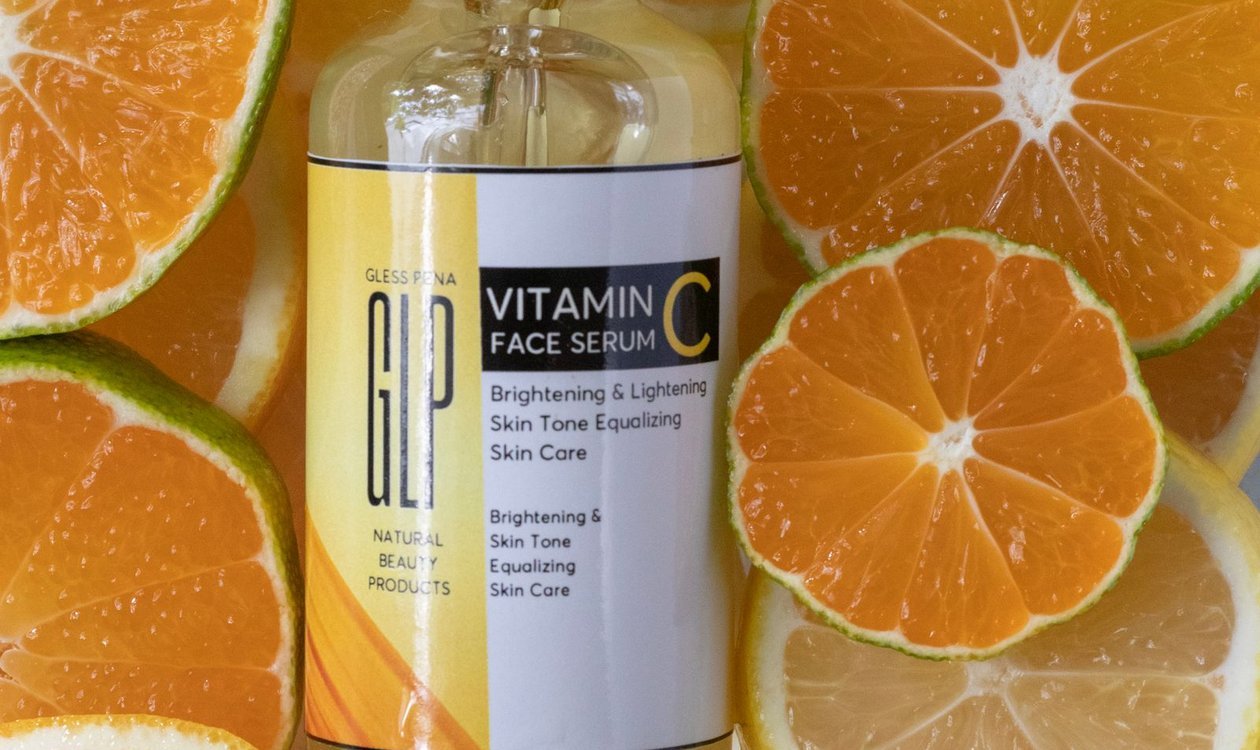
Few skincare products are as talked about — or as quietly confusing — as vitamin C serum. What does it actually do? Should it go on in the morning or at night? And what do those percentages on the bottle mean? This guide answers all of it in plain English: the realistic benefits for how your skin looks, the right way to apply it, which strength to start with, and how to store the bottle so it keeps working. No hype, no miracle promises — just the honest basics.
What Is Vitamin C Serum, Exactly?
Vitamin C is an antioxidant — a substance that helps protect your skin from the everyday effects of sun exposure and pollution, which over time can leave skin looking dull and uneven. Eating vitamin C is good for you generally, but very little of it reaches your skin, which is why skincare applies it directly in a concentrated serum.
On ingredient lists you will see a few forms. L-ascorbic acid is the pure, best-studied form — powerful, but it can tingle or irritate, and it goes off fastest. Gentler derivatives, most often listed as sodium ascorbyl phosphate (SAP) or magnesium ascorbyl phosphate (MAP), are more stable and kinder to delicate skin, working more gradually. Neither is “better” in absolute terms — the right one is the one your skin happily tolerates every day.
What a Vitamin C Serum Can Realistically Do
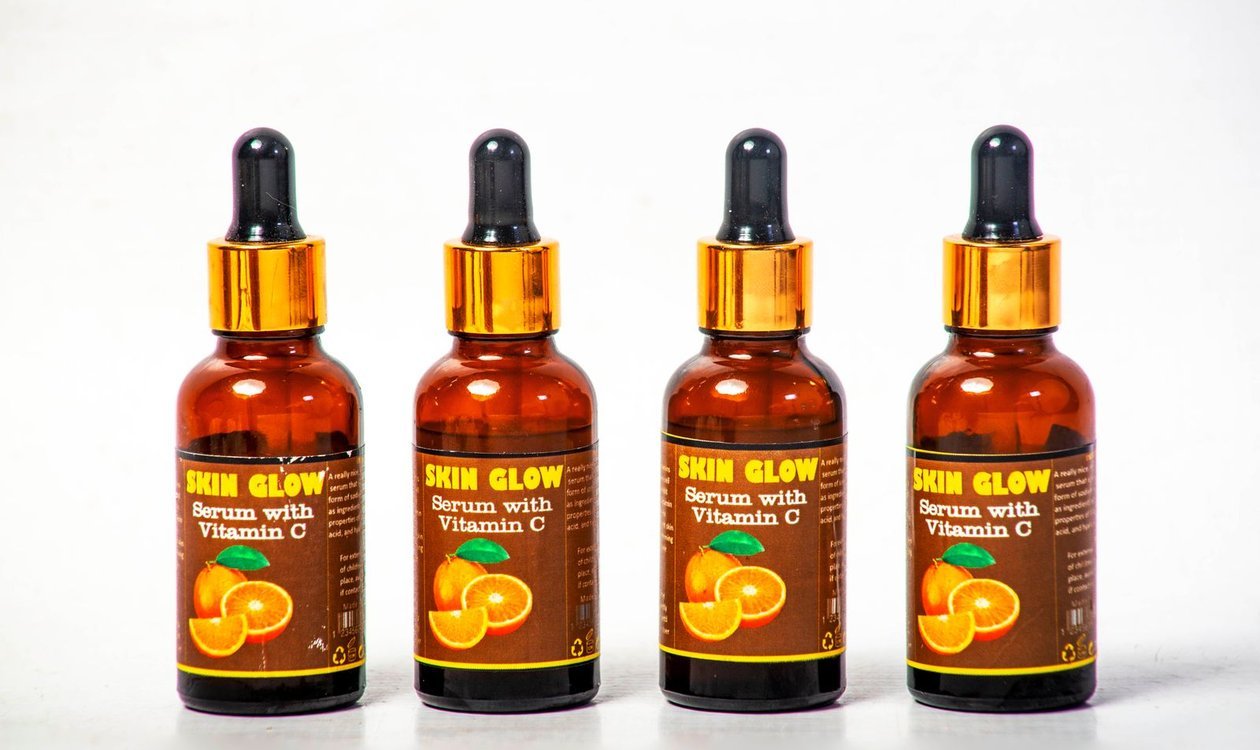
Used consistently, vitamin C is known for giving skin a brighter, fresher look and helping it appear more even in tone, with dark spots and dullness looking less obvious over time. It also supports your skin’s natural collagen, which is linked to skin looking firmer and smoother as the weeks pass. And because it helps neutralise the effects of sun exposure, dermatologists often describe it as a helpful partner to sunscreen during the day — support, never a substitute. The Cleveland Clinic’s overview of vitamin C serum gives a similar, measured picture: genuine benefits, gradual results. What it will not do is transform skin overnight or replace a proper routine — think steady improvement, not magic.
Choosing a Strength: Start at 10%
Percentages tell you how concentrated the serum is. 10% is the sensible starting point for most people — strong enough to work, gentle enough to learn how your skin reacts. Experienced users often settle around 15–20%. Higher is not always better: beyond about 20%, irritation becomes more likely without much extra benefit for your skin’s appearance. If your skin is sensitive, a lower percentage of a gentler derivative (SAP or MAP) used daily will do far more than a strong serum you have to keep abandoning.
How to Use Vitamin C Serum in Your Morning Routine
Vitamin C earns its keep in the morning, when its antioxidant support teams up with your sunscreen for the day ahead. The order is simple:
- Cleanse with your usual gentle cleanser and pat your skin dry.
- Apply vitamin C serum — a few drops, spread over your face and neck. Let it sink in for a minute.
- Moisturise as normal.
- Finish with SPF — this step is non-negotiable in the morning; sunscreen does the heavy lifting against sun damage.
If you are building your routine from scratch, our simple skincare routine for beginners shows where each product belongs, morning and evening. Some people prefer vitamin C at night, and that is fine too — the morning habit simply makes the sunscreen partnership easy to remember.

Pairing Rules: What Plays Well With Vitamin C
Some ingredients make vitamin C better. Vitamin E and ferulic acid are its classic teammates — many formulas include them because they help stabilise the vitamin C and support its antioxidant effect — and sunscreen is its best daytime partner. Other pairings need care: layering strong retinol or benzoyl peroxide in the same step can irritate skin or reduce how well each works, so the easy solution is to separate them — vitamin C in the morning, the stronger actives at night. Gentler ingredients are easier neighbours; our guide to azelaic acid serum covers another beginner-friendly option that many people alternate with vitamin C across the week.
Storage, Shelf Life, and the Orange Test
Vitamin C oxidises — it breaks down with light, heat, and air — and an oxidised serum stops helping and can irritate. Store the bottle in a cool, dark place (a drawer or cabinet, not a sunny bathroom shelf), keep the lid closed, and favour products in dark or opaque bottles. Fresh serum is clear to very pale straw-coloured. The orange test is simple: if your serum has turned noticeably orange or brown, it has oxidised — replace it rather than using it up. Most bottles last around three to six months once opened, so write the opening date on the label if you are forgetful.
Sensitive Skin? Patch Test, Start Slow, Be Patient
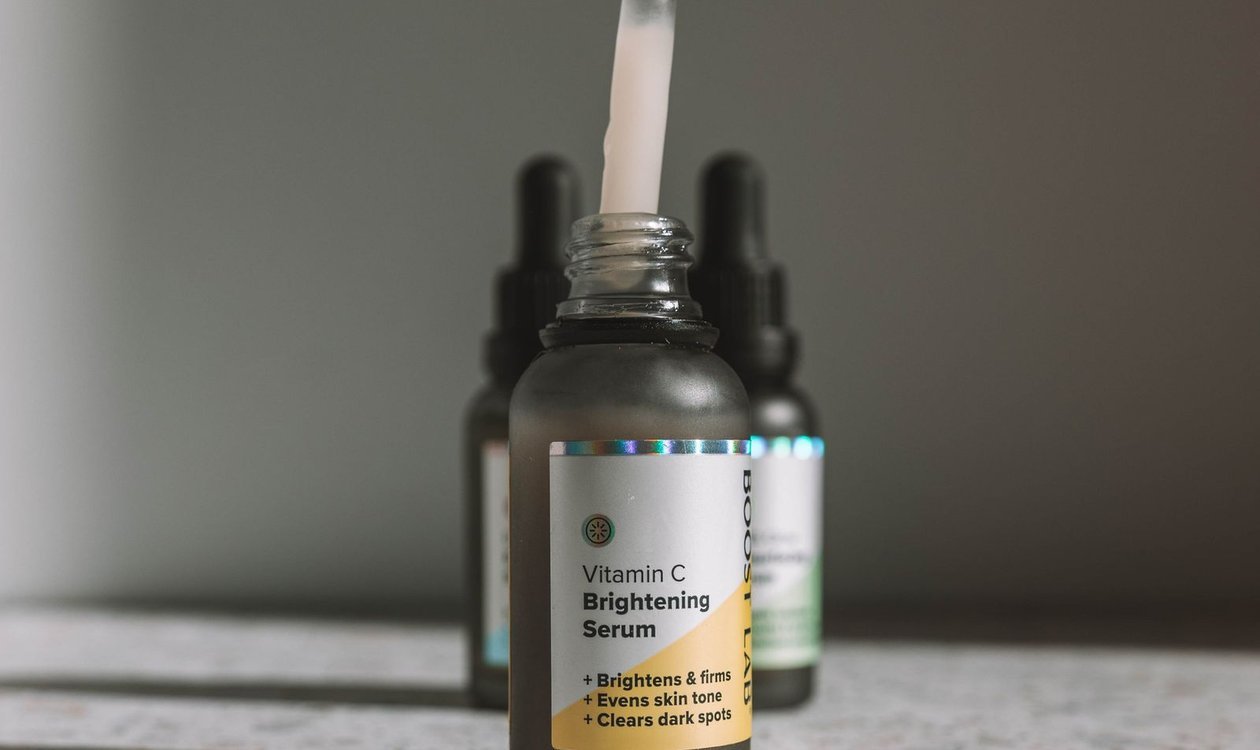
Before using any new serum all over, patch test: apply a little behind your ear or along your jaw, and wait 24 hours to see how your skin responds. If all is calm, start with every other morning for the first couple of weeks, then build to daily. A brief tingle that fades is common with L-ascorbic acid; burning, itching, or lasting redness is your sign to stop and switch to a gentler formula. People with very sensitive or eczema-prone skin should be especially cautious — and for personal skin concerns, checking with a dermatologist is always the sensible move. As for results: expect them in weeks, not days. Brighter-looking skin often shows first; more even-looking tone and firmness typically need eight to twelve weeks of consistent use.
Frequently Asked Questions
Should I apply vitamin C serum in the morning or at night?
Morning is the popular choice because it partners with your sunscreen for the day. Night use works too, and it is a good option if your evening products do not clash with it. Consistency matters more than the exact hour.
Can I use vitamin C serum every day?
Yes, once your skin is used to it. Begin every other day for the first couple of weeks, especially with L-ascorbic acid formulas, then move to daily use if your skin stays calm and comfortable.
How long does vitamin C serum take to work?
Give it time. Many people notice brighter-looking skin within a few weeks, while tone looking more even and skin looking firmer usually takes eight to twelve weeks of steady use. Photos taken monthly in the same light are the fairest way to judge.
Conclusion
A good vitamin C serum is a marathon product: a few drops each morning, stored properly, at a strength your skin enjoys. Start at 10%, pair it with moisturiser and SPF, keep retinol for the evening, and judge the results after a couple of months — that is how this little bottle earns its place on the shelf.
