

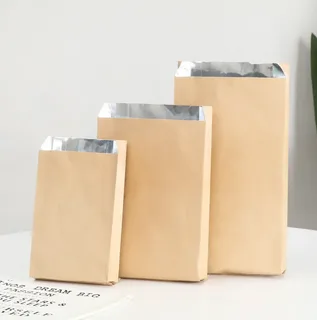
Packaging is one of the first things customers notice when they buy food. A clean bag that holds food properly can make a simple purchase feel more professional. For bakeries, cafes, takeaway shops, and restaurants, choosing the right packaging is part of daily business. Custom greaseproof paper bags offer a practical way to serve food while keeping packaging neat and useful. They can help reduce visible grease marks and provide space for a brand name or design. The right bag also makes handling food easier for staff and customers. However, not every business needs the same size, paper quality, or printing style. Understanding these differences can help owners make better choices. From selecting suitable materials to finding a reliable supplier, a few simple decisions can improve the packaging experience without making everyday operations more complicated or expensive.
Choosing Suitable Materials
The material used for custom greaseproof paper bags food packaging affects its strength, appearance, and performance. Grease-resistant paper is designed to slow the penetration of oils and fats, making it useful for many baked and fried foods. Businesses should consider the type of food they serve before selecting a paper grade. A bag used for a dry croissant may have different requirements from one holding a warm, buttery pastry. Food-contact suitability also matters, so buyers should check whether the paper and any coatings meet relevant safety requirements. Some options use treated paper, while others rely on different barrier technologies. The best choice balances grease resistance, handling, and cost. Testing samples with actual menu items can help businesses avoid problems after placing a large order.
Improving Brand Recognition
Packaging gives customers another opportunity to recognize a business outside its shop. Simple designs often work well because they make the brand easy to remember. For example, printed greaseproof paper bags can display a business name, brand colors, or a small graphic without covering the entire surface. A bakery might choose a warm, minimal design, while a burger shop may prefer bold lettering. The design should remain readable when the bag is folded or held in one hand. It is also worth checking how ink appears on the selected paper, since its texture and color can affect the final result. Before approving a full print run, request a sample or digital proof. This small step can prevent costly mistakes and keep packaging consistent across different orders.
Finding Practical Sizes
Bag size affects both customer convenience and food presentation. A bag that is too tight may crush delicate products, while an oversized one can waste material and make smaller items difficult to handle. Cafes selling cookies, muffins, and individual pastries may benefit from small greaseproof paper bags that fit single portions comfortably. Businesses serving sandwiches or several baked goods may need wider or deeper options. Measure common menu items before deciding on dimensions, and consider how the bag will close or fold. The usable space matters more than the outside measurements alone. It is also helpful to keep a small selection of sizes rather than relying on one bag for every product. This approach supports better portion presentation and reduces unnecessary packaging waste.
Protecting Fresh Food
Food packaging needs to do more than look attractive. It should help staff serve products neatly and make them easier for customers to carry. Suitable greaseproof paper bags can reduce oil transfer from items such as pastries, fries, and fried snacks, depending on the paper’s barrier properties. However, grease resistance does not automatically mean that a bag is waterproof, leakproof, or suitable for every hot food. Steam can also affect crispness, especially when hot food is sealed inside packaging that allows little airflow. Businesses should choose bags based on the food’s temperature, moisture, and fat content. For particularly oily products, testing under normal serving conditions is useful. Proper storage also helps maintain paper quality, preventing moisture or damage before the bags reach the counter.
Selecting Larger Options
Food businesses with bigger menu items need packaging that provides enough room without becoming difficult to carry.Custom paper coffee cups can suit generous sandwiches, bakery assortments, multiple pastries, or larger takeaway portions. Their dimensions and paper strength should match the expected weight of the contents. A bag that looks spacious may still struggle if its bottom construction is weak or its paper grade is too light. Staff should be able to open, fill, and fold each bag quickly during busy periods. Buyers should also consider storage space because larger bags take up more room in a stock cupboard. Ordering a few samples and testing them with real products can reveal whether the size is practical for daily service and comfortable for customers.
Managing Order Quantities
Ordering packaging in the right quantity can help businesses control costs and avoid running out during busy periods. Suppliers offering greaseproof paper bags wholesale may provide lower unit prices for larger orders, although the total purchase cost still needs careful attention. Printing charges, delivery fees, minimum order requirements, and storage expenses can affect the final value. A small cafe may benefit from ordering fewer bags more frequently, while a busy restaurant might use larger quantities every month. Review recent usage before estimating demand, and allow some extra stock for seasonal changes or unexpected sales. It is also sensible to confirm production times before committing to an order. A reliable supply schedule helps prevent last-minute purchases that could disrupt service or force a business to use unsuitable packaging.
Personalizing Bag Designs
A thoughtful design can make packaging feel connected to the food and the business behind it. Greaseproof paper bags with logo printing can help customers identify a bakery, cafe, or takeaway brand at a glance. The logo does not need to be large or complicated. A clear mark, readable business name, and carefully chosen colors can create a professional appearance. Before printing, check the available print area and ask whether the supplier supports the preferred colors and artwork format. Some designs may need adjustment to remain clear on textured or uncoated paper. Businesses should also consider whether their packaging needs contact details, social media information, or a short message. Keeping the layout uncluttered usually makes it easier for customers to recognize the brand and remember where they bought their food.
Planning Future Supplies
Packaging needs often change as a business grows, adds new menu items, or serves more customers. Planning makes it easier to choose suitable products and maintain a consistent appearance. For example, custom greaseproof paper bags in bulk orders may work well for established businesses with predictable demand, but they can be less practical for a new shop still testing its menu and branding. Before placing a large order, confirm the final dimensions, paper specifications, printing details, and delivery schedule. Ask the supplier about repeat orders and whether the same materials will remain available. It is also helpful to review packaging performance after customers and staff have used it for a while. Small improvements to bag strength, size, or design can make daily service smoother and help reduce avoidable waste over time.
Conclusion
Good packaging supports the everyday work of a food business. It helps staff serve products neatly, gives customers a convenient way to carry their purchases, and creates another opportunity to build brand recognition. Choosing the right paper, size, and design depends on the food being served and the way the business operates. Samples and practical testing can make the selection process easier.Custom greaseproof paper bags can be a useful choice for bakeries, cafes, restaurants, and takeaway shops that want packaging suited to their products and brand. The best results come from balancing appearance with function. Consider the paper quality, order quantity, printing options, and supplier reliability before making a decision. With a little planning, businesses can choose packaging that works well at the counter and provides a consistent experience for customers.
