

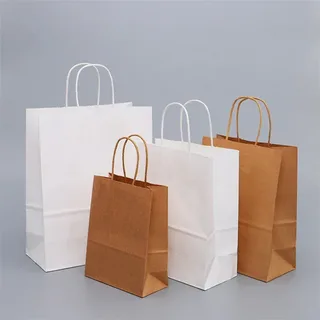
Packaging is often the first thing customers notice about a product. A simple bag can make a purchase feel more special while keeping the item safe and easy to carry. For many businesses, custom kraft paper bags offer a practical way to package products and create a consistent brand image. These bags are made from kraft paper, which is known for its natural brown color and sturdy feel. They can also be printed, shaped, and finished to match different business needs. From clothing stores to bakeries, many sellers use paper bags to make everyday packaging look more appealing. Choosing the right option depends on the products you sell, your budget, and the experience you want to offer. Understanding the available sizes, materials, printing methods, and design choices can help you make a better decision for your business.
Choosing Suitable Materials
The material used for a paper bag affects its strength, appearance, and overall performance.Custom kraft paper bags is a popular choice because it has a natural look and can handle many everyday packaging needs. Brown kraft paper gives products a simple, earthy appearance, while white kraft paper provides a clean surface for colorful designs. The paper weight also matters. Lightweight paper may work well for small purchases, but heavier products usually need thicker paper and stronger construction. Some bags include reinforced bottoms to improve support. Before placing an order, consider the weight and shape of your products. A well-made bag should hold its contents comfortably without tearing or losing its shape during normal use.
Designing Brand Packaging
Good packaging can help customers recognize a business and remember their shopping experience. Many companies choose printed kraft paper bags to display their logo, brand name, contact details, or a simple design. The printing style should match the business rather than compete with the product inside. For example, a bakery might prefer warm colors and friendly lettering, while a clothing store may choose a clean logo with plenty of open space. Black ink can look striking on brown kraft paper, while white paper allows more color options. It is also helpful to check how the design looks at its actual printed size. Clear lettering, balanced spacing, and readable colors can make a bag look professional without making the design too complicated.
Selecting Appropriate Sizes
The size of a paper bag should match the products it carries. A bag that is too large may waste material and allow items to move around, while one that is too small can make packing difficult. Retailers selling jewelry, cosmetics, stationery, or small gifts often need small kraft paper bags for individual purchases. Larger bags are more suitable for clothing, books, groceries, and boxed products. Measure the items you plan to package, including their height, width, and depth. Leave enough room for easy packing and removal. It is also worth checking the bag’s weight capacity, since dimensions alone do not determine strength. Keeping a few standard sizes available can help staff pack orders quickly and maintain a tidy presentation.
Understanding Bulk Orders
Businesses with regular packaging needs often compare suppliers before placing large orders. Buying kraft paper bags wholesale can reduce the cost per bag and make stock planning easier. However, the lowest unit price does not always provide the best value. Paper quality, printing accuracy, delivery charges, minimum order quantities, and production times all affect the final cost. Ask suppliers for samples when possible, especially if the bags will carry heavy or delicate items. A sample can help you check the material, handles, print quality, and overall finish before committing to a larger quantity. It is also useful to confirm whether the supplier can maintain consistent quality across repeat orders. Careful planning helps businesses avoid excess stock while keeping enough packaging available for busy periods.
Improving Carrying Comfort
Handles can make packaging easier for customers, especially when purchases are heavy or include several items. Many retailers prefer kraft paper bags with handles because customers can carry them comfortably while shopping or traveling. Twisted paper handles offer a familiar appearance and suit many retail uses. Flat paper handles can work well for lighter products and simple packaging designs. Some bags use reinforced handle attachment points to reduce the chance of tearing under normal loads. The right choice depends on the product weight, bag size, and intended use. Before ordering, check that the handles feel secure and are attached properly. A comfortable handle may seem like a small detail, but it can improve the customer’s experience and make the packaging easier to use.
Displaying Products Clearly
Some products benefit from packaging that lets customers see what is inside. In these cases printed wax paper can provide a useful balance between protection and visibility. A clear window allows shoppers to view baked goods, snacks, crafts, or other suitable items without opening the package. The size and position of the window should show the product clearly while leaving enough paper to support the bag. Businesses should also consider the material used for the transparent section and whether it suits the product’s storage requirements. For food packaging, the entire bag must be appropriate for the intended food and handling conditions. A neat window design can improve shelf presentation, but it should never replace proper protection or suitable packaging standards.
Creating Personal Designs
Personal details can make packaging feel more connected to a brand or occasion. Businesses may choose custom printed kraft paper bags to match seasonal promotions, store launches, events, or product collections. A carefully designed logo and a limited color palette can create a consistent appearance across different bag sizes. Gift shops and small retailers may also prefer personalized kraft paper bags with names, messages, or special artwork for individual orders. The design should remain easy to read and suitable for the paper surface. Before approving a final layout, check the spelling, logo placement, and print dimensions. It is wise to request a proof or sample if the order is large. Small design checks can prevent costly mistakes and help the finished packaging reflect the quality of the products inside.
Packaging Food Safely
Food businesses need packaging that supports cleanliness, convenient handling, and suitable storage. Bakeries, cafes, takeaway shops, and market stalls often use kraft paper bags for food because paper packaging can suit many dry food products. However, not every kraft paper bag is designed for direct food contact. Businesses should confirm that the paper, inks, adhesives, and any inner coating are appropriate for the intended food. Greasy, moist, or hot items may require a specially designed bag or an additional food-safe barrier. The packaging should also protect products during transport without trapping unwanted moisture. Local food safety requirements must be followed when choosing materials. Selecting the right bag helps maintain product quality and gives customers a clean, convenient way to carry their purchases.
Conclusion
Choosing suitable packaging involves more than selecting a bag that looks attractive. Material strength, size, printing, handles, and intended use all influence how well the packaging performs. Businesses should consider their products and customers before deciding which design and specifications to order. Samples, supplier comparisons, and clear artwork can help prevent common mistakes.For many retailers and food businesses, custom kraft paper bags provide a practical way to combine everyday convenience with a recognizable brand style. The best choice is one that protects the product, fits the budget, and supports a positive customer experience. By focusing on quality and thoughtful design, businesses can create packaging that looks good and works well.
