

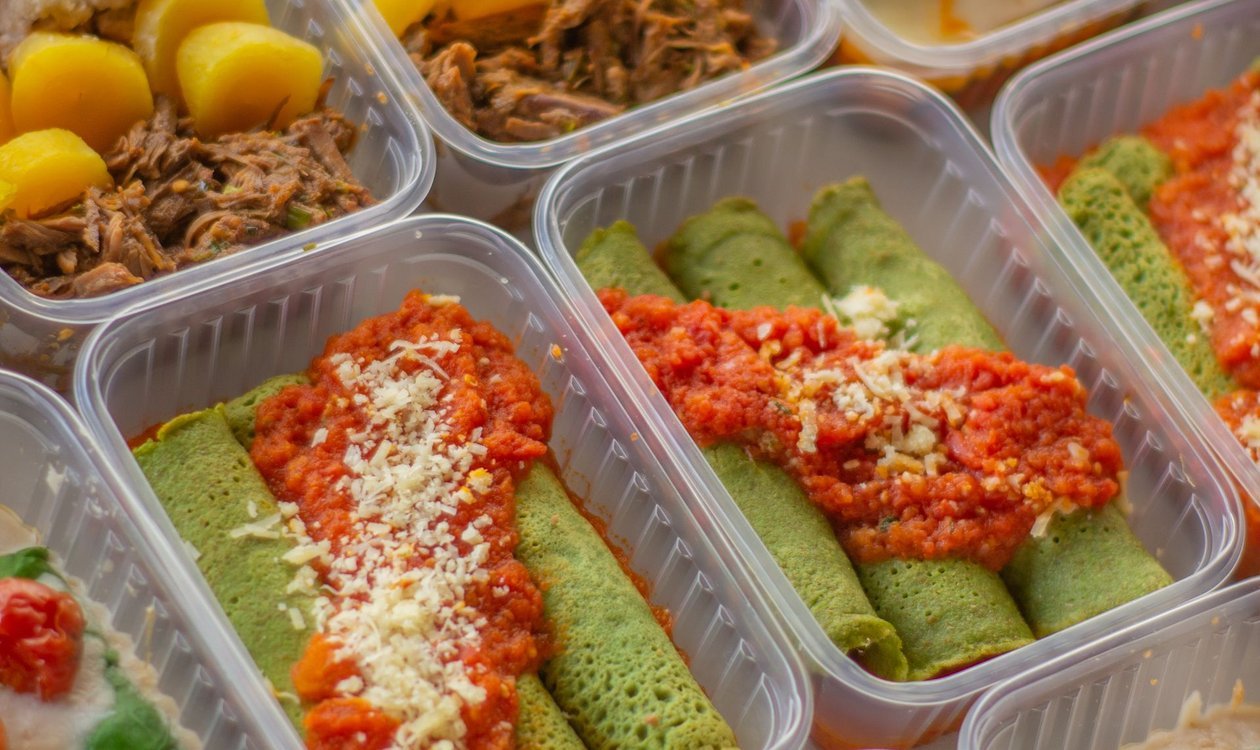
You have seen the photos: a spotless kitchen, twenty matching containers, and a week of perfect meals lined up like soldiers. Real life rarely looks like that, and it does not need to. Learning how to meal prep for beginners simply means cooking a few flexible building blocks in advance, so that weekday meals come together in minutes instead of starting from zero every night. This guide keeps it deliberately small — a few days of food, one short session, and storage rules that keep everything safe.
What Meal Prep Is (and What It Isn’t)
Meal prep is preparing food ahead of time in some form. It can mean fully cooked meals in containers, but it can also mean cooked grains, a batch of protein, washed vegetables, and a sauce, ready to combine. What it is not: a rule that you must eat identical meals all week, a test of kitchen stamina every Sunday, or an excuse to buy twenty new containers. Think of it as giving your future self a head start, not a strict contract.
Start Small: Prep 2–3 Days, Not the Whole Week
The most common beginner mistake is ambition. Prepping seven days of food in your first attempt leads to waste, boredom, and food that sits in the fridge longer than it should. Instead, prep for just two or three days. Cook on Sunday for Monday to Wednesday, say, and — if it goes well — do a tiny top-up session midweek. Short horizons also match food safety: cooked food keeps well for three to four days in the fridge, so a 2–3 day prep fits the safe window perfectly.
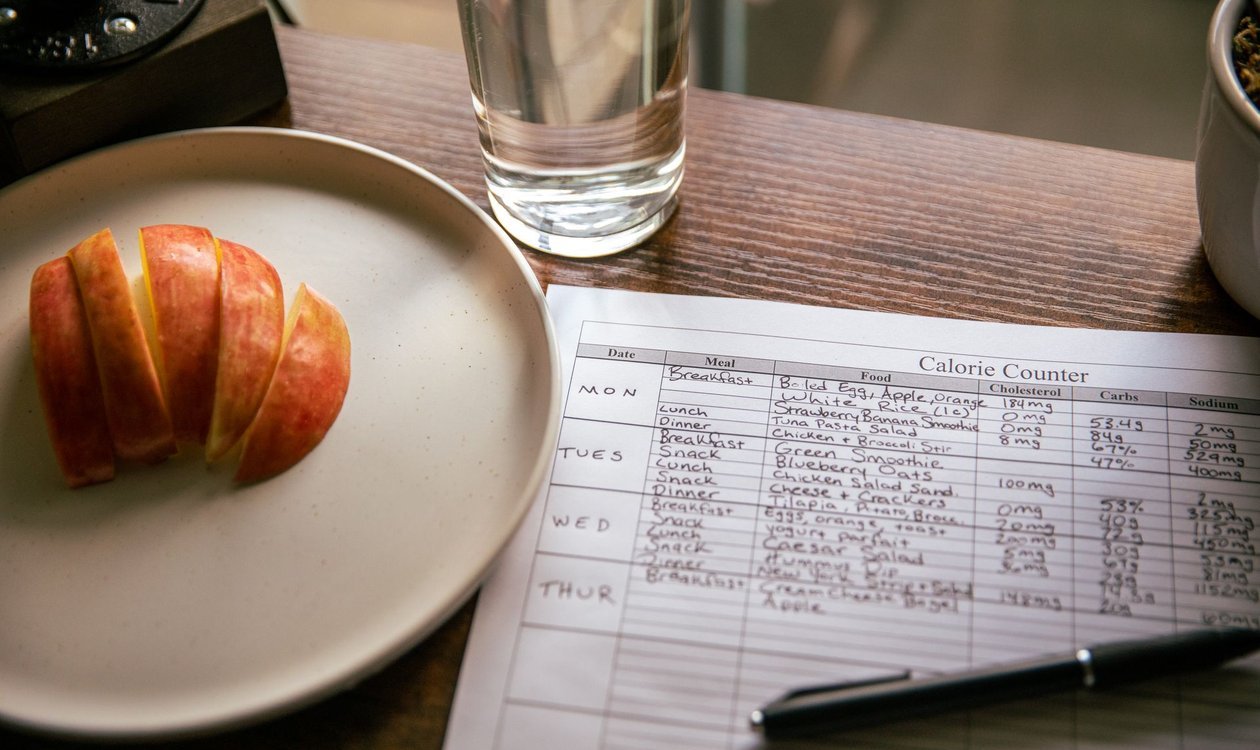
How to Meal Prep for Beginners: The Simple Formula
Every flexible prep follows the same four-part formula:
- Protein: chicken thighs or breast, eggs, canned beans or chickpeas, lentils, tofu, or tinned tuna.
- Grain (or starchy base): rice, pasta, quinoa, couscous, or potatoes.
- Vegetables: one or two kinds you genuinely like — broccoli, carrots, peppers, green beans, or a bag of frozen mixed vegetables.
- Sauce: the flavour-maker — a yoghurt-herb sauce, a simple vinaigrette, soy sauce with a little honey and garlic, or a jar of shop-bought pesto.
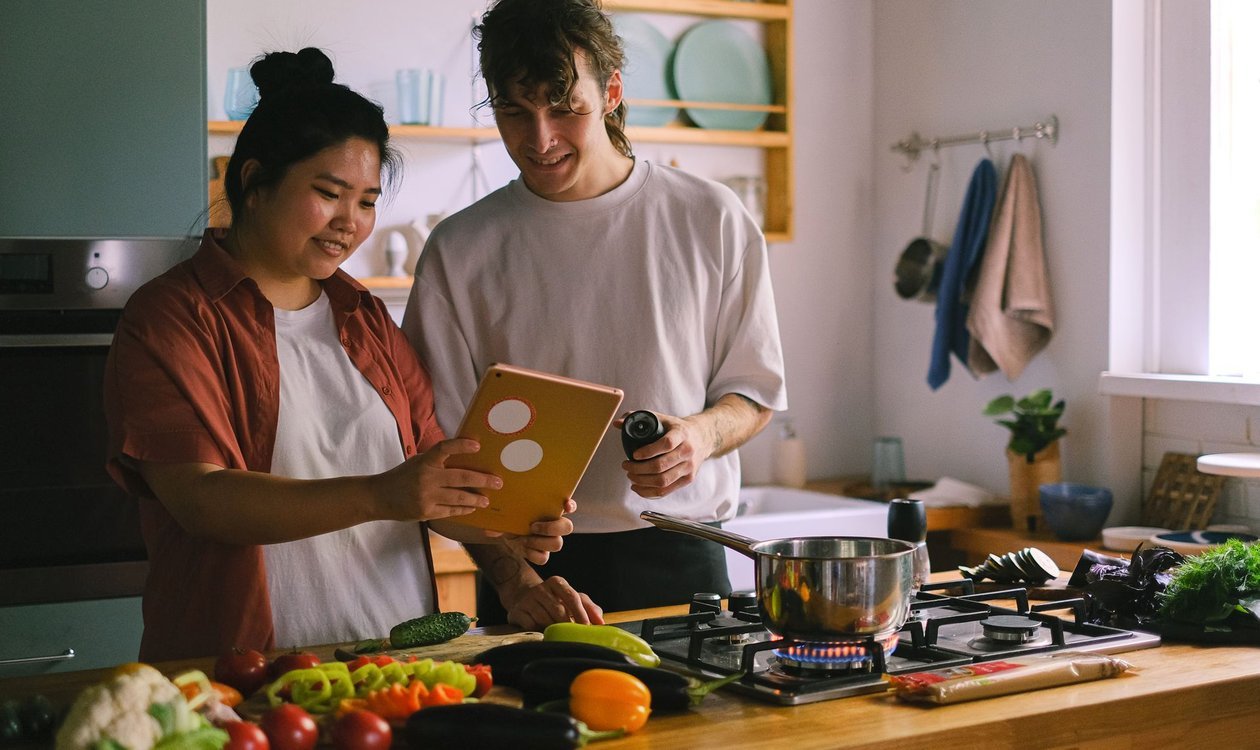
With those four parts in the fridge, you can assemble bowls, wraps, stir-fries, and salads all week without eating the same plate twice. When your kitchen is small, keeping these components in a handful of uniform containers makes them far easier to store and find — the same thinking behind our small kitchen storage ideas.
How to Meal Prep for Beginners: A Simple 2-Hour Session
Here is a relaxed first session. Put on some music, and work in this order so the oven and stove do the hard work while you chop:
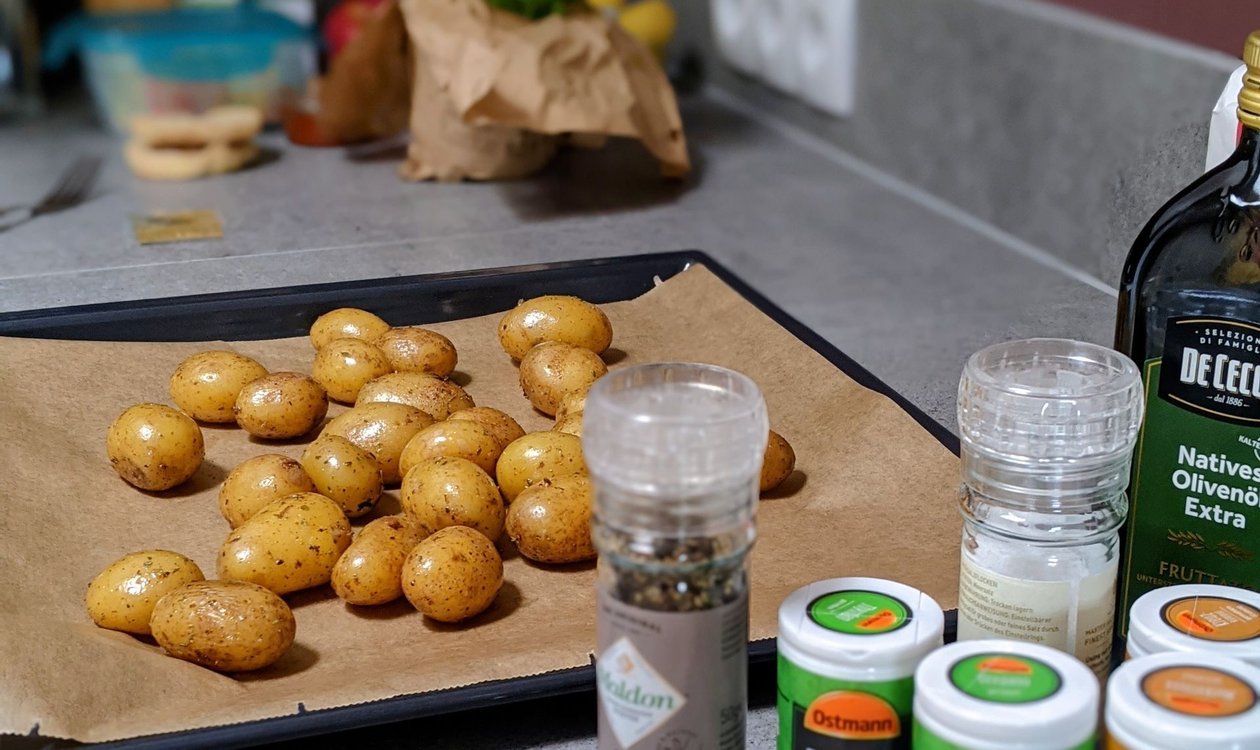
- Heat the oven and start the grain (15 minutes of effort). Season chicken thighs or a tray of chickpeas with oil, salt, and spices, and put them in a hot oven. Start a pot of rice or pasta on the stove.
- Chop and roast the vegetables (next 30 minutes). While the protein cooks, chop sturdy vegetables, toss them with oil and seasoning, and add the tray to the oven. Frozen vegetables can go straight onto a tray as they are.
- Make the sauce and extras (20 minutes). Stir together a sauce, boil a few eggs if you like, and wash any salad leaves. This is also a lovely moment to set up drinks for the week — a big jug of iced coffee, for example, using our guide on how to make cold brew coffee.
- Cool, portion, and label (final 20 minutes). Let everything cool slightly, then divide it into containers. Add a strip of tape with the dish name and the date you cooked it. That tiny label will save you a lot of guessing later.
Containers and Storage Basics
You do not need a special set. Any clean containers with lids that seal well will do, in two or three sizes. Glass is sturdy and reheats evenly; lightweight plastic is fine too, especially for the freezer. Fill containers while the food is still warm but no longer steaming hard, seal them, and get them into the fridge promptly — cooked food should not sit at room temperature for more than about two hours (less on a very hot day). Shallow containers cool faster and more evenly than one deep pot, which is both a quality and a safety win.
How Long Does It Keep? Fridge and Freezer Safety Times
Follow the times used by food-safety authorities and you will not go far wrong. The U.S. government’s Cold Food Storage Chart gives cooked leftovers — including cooked meat, poultry dishes, soups, and stews — 3 to 4 days in the refrigerator (kept at 40°F / 4°C or below). So if you cook on Sunday, plan to finish fridge portions by Wednesday or Thursday. For anything meant for later in the week, freeze it on cooking day instead: frozen cooked dishes stay safe and keep their best quality for about 2 to 3 months. When in doubt, throw it out — no meal prep saving is worth a miserable stomach.
Reheating Basics
Reheat only the portion you are about to eat, and heat it until it is steaming hot all the way through — U.S. guidance puts that at 165°F (74°C) for leftovers. Stir soups, sauces, and rice halfway through reheating so there are no cold spots. A splash of water over rice or pasta before microwaving brings back a freshly cooked texture. As a habit, avoid reheating the same leftovers more than once; take out what you need and keep the rest cold.
Keeping It From Getting Boring
Repetition is the reason most people quit in week two, and the fix is variety in the cheap seats: sauces, toppings, and formats. The same chicken, rice, and vegetables become a rice bowl with soy-ginger sauce on Monday, a wrap with yoghurt-herb sauce on Tuesday, and a fried-rice-style stir-fry on Wednesday. Keep two sauces on rotation, add something crunchy (nuts, seeds, or raw carrot sticks) at serving time, and let one meal a week be completely off-plan. Flexibility is a feature, not a failure.
Beginner Mistakes to Avoid
- Prepping too much. A mountain of food that outlasts its safe fridge window is waste, not savings. Start with 2–3 days.
- No variety built in. One dish, five days, no sauce — a reliable recipe for ordering takeaway by Thursday.
- Unsafe storage. Leaving cooked food out for hours, using one giant deep container that cools slowly, or keeping leftovers “a few extra days” past the 3–4 day window.
- Skipping labels. Unmarked containers become mystery boxes. Name and date everything.
Frequently Asked Questions
How many days of food should a beginner prep at once?
Two to three days is the sweet spot. It fits comfortably inside the safe 3–4 day fridge window for cooked food, keeps flavours fresh, and keeps the cooking session short. You can always add a small midweek top-up.
Can I freeze meal prep?
Yes — freezing is the best tool for anything you will not eat within 3–4 days. Cooked grains, proteins, soups, and stews freeze well and keep their best quality for about 2–3 months. Freeze in single portions so you only thaw what you need.
Do I have to eat the same meal every day?
Not at all. Prep components rather than finished meals — one protein, one grain, vegetables, and two sauces — and combine them differently each day. Bowls, wraps, salads, and stir-fries from the same ingredients taste like different dinners.
Conclusion
The secret to how to meal prep for beginners is starting smaller than you think: two or three days, one protein, one grain, vegetables, and a good sauce. Label everything, respect the 3–4 day fridge rule, and freeze whatever is meant for later. Two relaxed hours a week is all it takes to make weeknight cooking feel almost effortless.
