

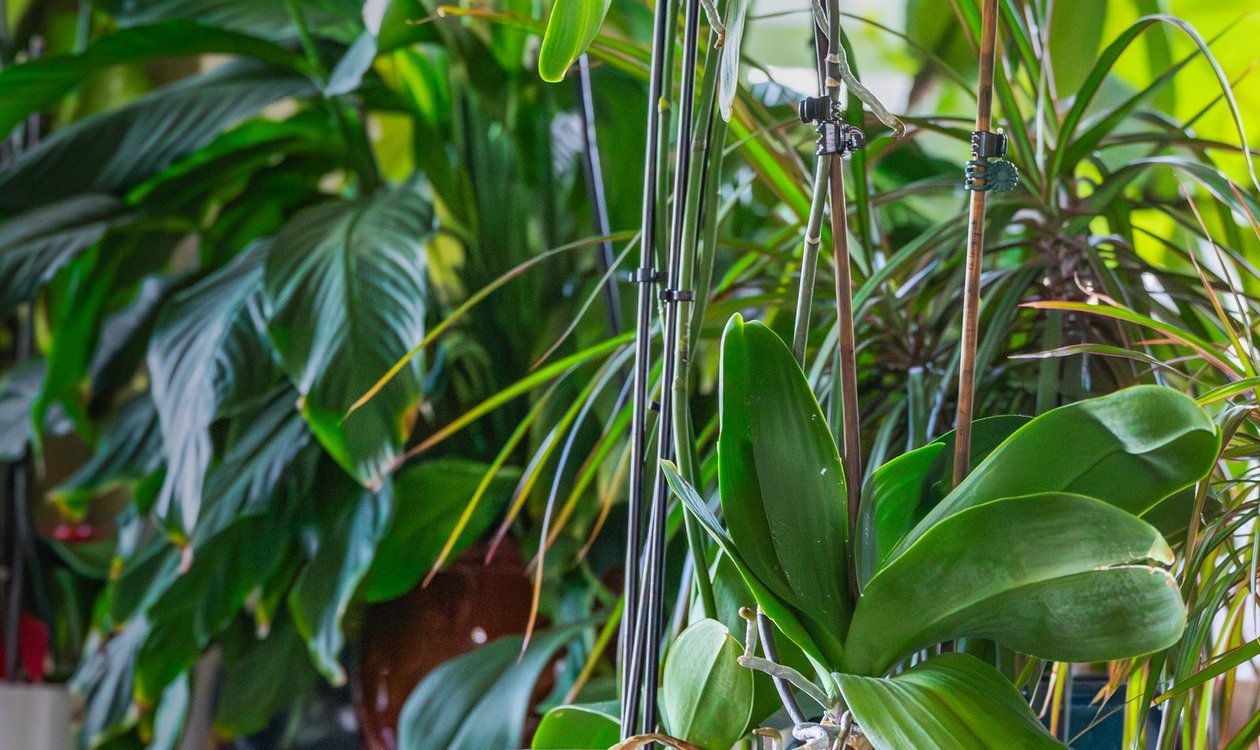
Every confident plant owner started with a plant they nearly killed. The secret is that success has far less to do with a “green thumb” than with choosing forgiving plants and learning two or three simple rules. This guide to indoor plants for beginners keeps it honest: seven plants that tolerate real life, one watering habit that prevents most disasters, and placement basics that keep everything alive in minutes a week.
Why Beginners Give Up: It’s Usually the Watering
Here is the surprising truth: far more houseplants die from kindness than from neglect. Overwatering is the number one killer of indoor plants. Roots sitting in constantly soggy soil cannot breathe, they rot, and by the time the leaves yellow and drop, the damage below the surface is done. New owners water on a fixed schedule without checking whether the plant is actually thirsty, and many popular plants would honestly prefer to be forgotten for a fortnight. Every plant below was chosen because it forgives dry spells and imperfect care.
Light, Explained Simply
Light labels confuse everyone, so translate them like this. Direct light means sun rays land right on the leaves — a south-facing windowsill at midday. Bright indirect light, where most houseplants are happiest, means the plant sits near a window but the sun itself does not hit it: think a metre back from a sunny window, or an east-facing sill with gentle morning sun. Low light means a spot a few metres from a window or a north-facing room — bright enough to read a book in during the day, but the plant never sees the sun itself.
A quick test: on a sunny day, hold your hand 30 cm above the spot at midday. A sharp, clear shadow means bright light; a soft, fuzzy shadow means indirect; barely any shadow means low. The RHS guide to choosing houseplants makes the same point — match the plant to the light your room actually offers.
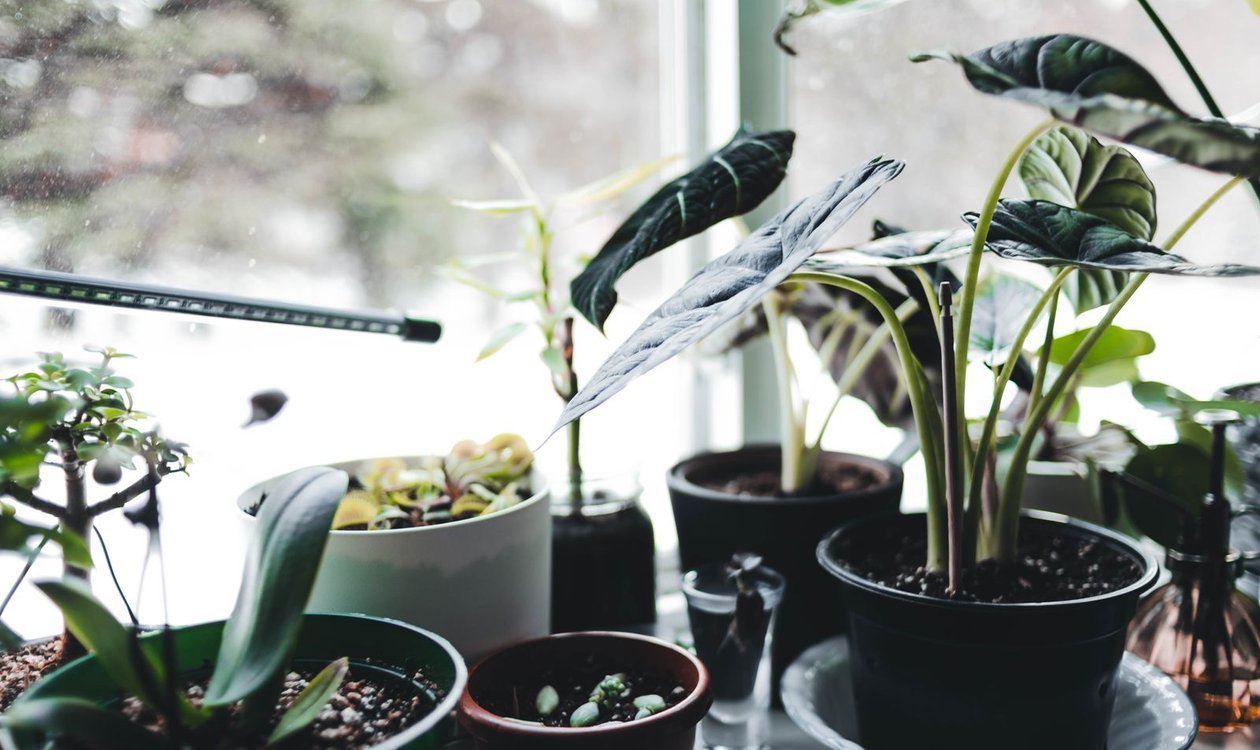
The 7 Best Indoor Plants for Beginners (That Are Hard to Kill)
1. Pothos. Trailing vines with heart-shaped leaves that grow almost anywhere. Light: bright indirect to low. Water: when the top 5 cm of soil feels dry. Difficulty: very easy — it even tells you it is thirsty by drooping slightly, then perks up after a drink.
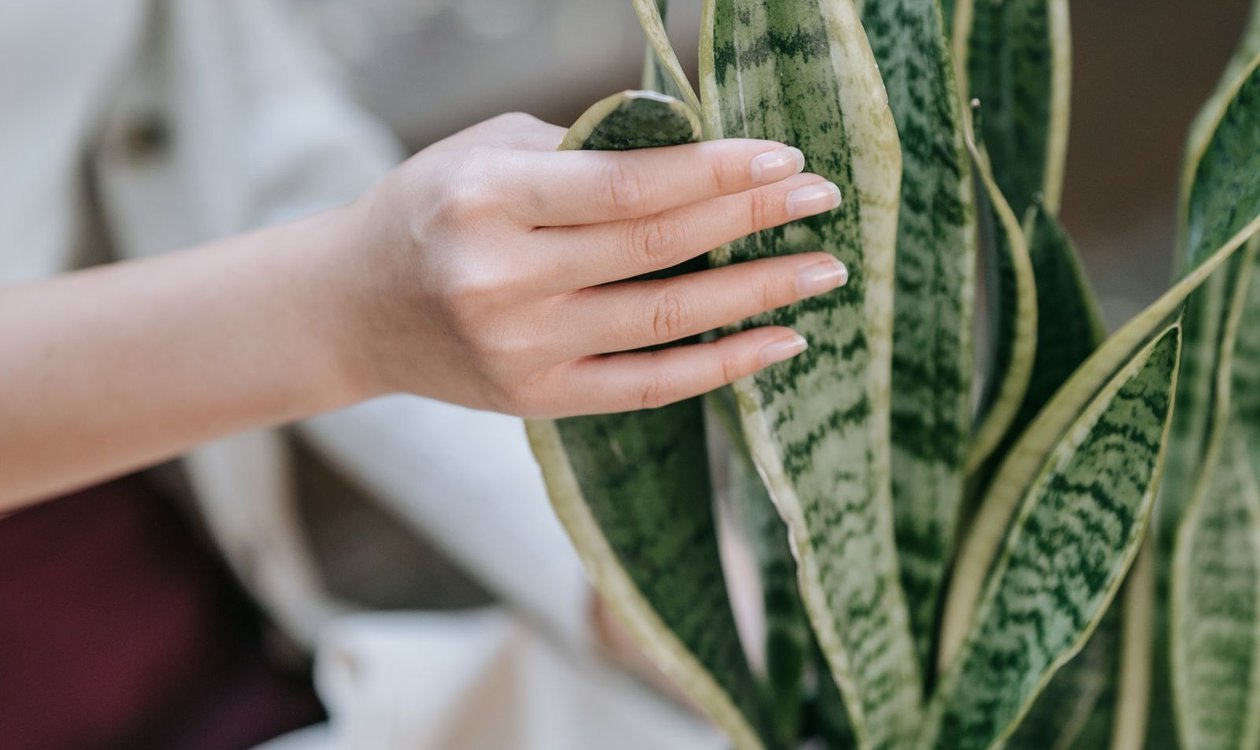
2. Snake plant. Upright, sword-like leaves that shrug off dark corners and forgotten watering. Light: low to bright indirect. Water: sparingly, every two to three weeks, less in winter. Difficulty: very easy — overwatering is the only real way to hurt it.
3. Spider plant. Arching striped leaves and baby plantlets that dangle on long stems. Light: bright indirect. Water: keep lightly moist, roughly weekly. Difficulty: easy, and the babies can be potted up into free new plants.
4. ZZ plant. Glossy leaves on sculptural stems, with thick roots that store water like a battery. Light: low to bright indirect. Water: once a month or so is often enough. Difficulty: very easy — the top pick for offices and forgetful owners.
5. Peace lily. Elegant dark leaves and white flowers, and the most communicative plant on this list. Light: medium to low indirect. Water: keep the soil evenly moist; it droops dramatically when thirsty and recovers within hours of watering. Difficulty: easy, as long as it does not dry out completely for long.
6. Heartleaf philodendron. A trailing classic that looks like pothos but tolerates slightly deeper shade. Light: medium to low indirect. Water: when the top 2–3 cm of soil is dry. Difficulty: easy — trim the vines and it bushes out fuller.
7. Cast iron plant. Named for its toughness: deep green leaves that tolerate low light, irregular watering, and general indifference. Light: low to medium indirect (keep out of direct sun). Water: when the soil has mostly dried out. Difficulty: very easy, and slow-growing, so it will not outgrow its spot.
The Finger Test: The Only Watering Rule You Need
Forget schedules. Before watering any plant, push your finger about 5 cm (two knuckles) into the soil. If it comes out with damp soil stuck to it, wait. If it feels dry, water thoroughly until a little runs from the drainage hole, then empty the saucer so the pot is not standing in water. That ten-second test prevents both overwatering and underwatering for nearly every plant here, in any season — plants drink far less in winter than summer, which no fixed calendar can know.
Drainage: The Unglamorous Secret
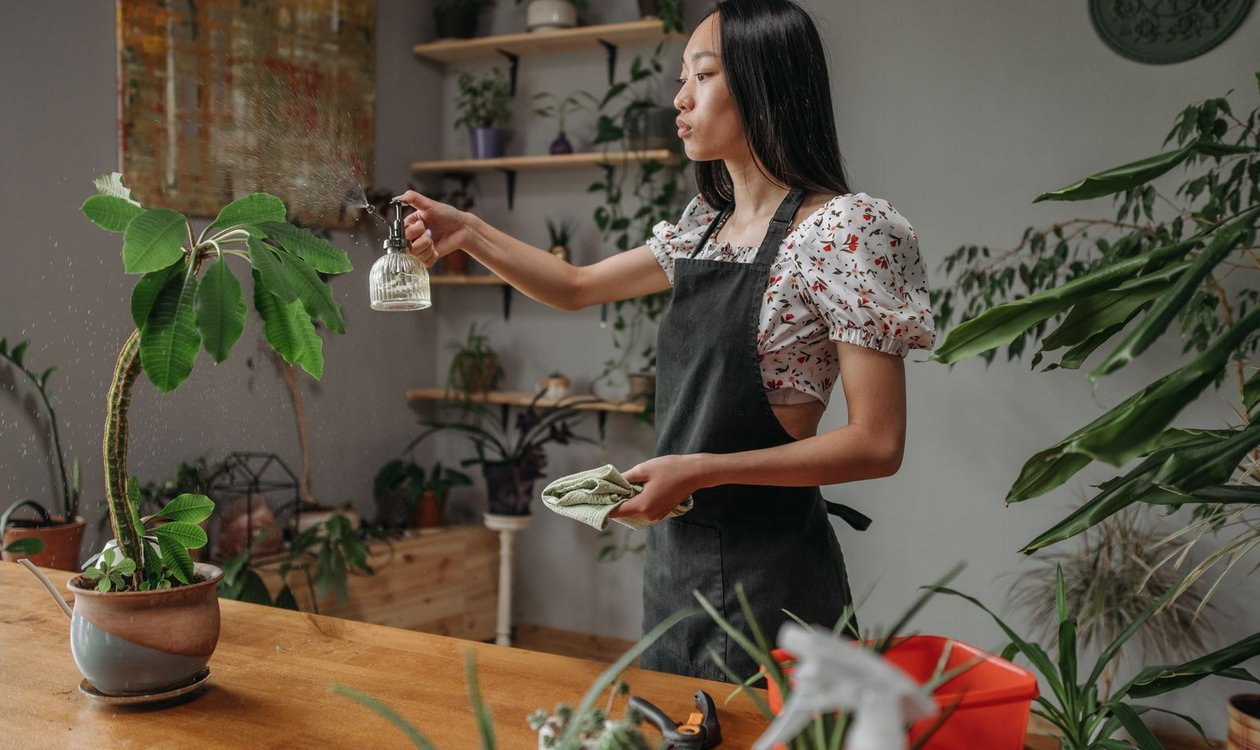
Almost every “mystery” plant death traces back to a pot with no drainage hole. Without one, water pools at the bottom, roots rot, and no watering routine can save the plant. Buy pots with holes, keep a saucer underneath, and empty the saucer after watering. If a decorative pot you love has no hole, keep the plant in its plain nursery pot inside it and lift it out to water. This one habit matters more than any fertiliser or misting spray.
Indoor Plants for Beginners: Where to Put Them in a Small Home
Small homes are actually ideal for plants — the good light spots are easy to find. Use windowsills for sun-lovers, hang trailing pothos or philodendron from a shelf or curtain rail, and put a snake plant or cast iron plant in the dim corners no other plant forgives. Think vertically, the same way you would with storage — our small kitchen storage ideas use the identical trick. A weekly two-minute check-in (finger test, leaf wipe, quarter turn of each pot) also makes a calm ritual to pair with a morning routine like the one in our guide on how to start journaling.
Beginner Mistakes (Beyond Overwatering)
- No drainage. Covered above because it is that important: holes in the pot, saucer emptied, every time.
- Moving plants constantly. Plants adapt to one spot’s light and temperature. Pick a sensible place and leave them to settle for at least a few weeks before judging.
- Ignoring dusty leaves. Dust blocks light and invites pests. Wipe leaves with a damp cloth every week or two — it takes a minute and the plant visibly perks up.
- Repotting everything immediately. A new plant is stressed enough. Let it acclimatise for a month or more; only repot when roots are escaping the drainage holes.
A Quick Safety Note for Pet Owners
One honest warning before you shop: a few of the most common houseplants — including pothos, peace lily, philodendron, and ZZ plant — are toxic to cats and dogs if eaten. You can still own them — just check a reliable pet-safety list before buying, and place plants well out of reach (a high shelf or hanging planter solves it). With a determined plant-chewer at home, start with the spider plant and cast iron plant, and verify each new addition before it comes through the door.
Frequently Asked Questions
How often should I water my indoor plants?
There is no universal schedule, and that is the point. Use the finger test: water only when the top 5 cm of soil feels dry. For most easy plants in most homes that lands somewhere between once a week and once a month, depending on the plant, the season, and the pot size.
What is the best plant for a room with almost no natural light?
The cast iron plant and the snake plant are the most shade-tolerant plants on this list and will cope with genuinely dim rooms. Be aware that “low light tolerant” still means some daylight — no houseplant survives a windowless room without a grow light.
Why are my plant’s leaves turning yellow?
The most common cause is overwatering — check whether the soil is soggy and whether the pot drains properly. Occasional yellowing of one old leaf at the base is normal ageing; several yellowing leaves at once almost always means too much water or, less often, too little light.
Conclusion
The whole secret of indoor plants for beginners fits in one sentence: choose plants that forgive mistakes, water only when the soil is actually dry, and use pots that drain. Start with one or two from the list — a pothos and a snake plant cover most homes — and let a few months of easy success do the rest.
